
Air Conditioning Nixa, MO: Improving Indoor Air Quality
Breathing easy at home isn’t just a luxury—it’s a necessity. Whether it’s peak summer humidity or the bone-dry chill of winter in the Ozarks, the air circulating through your vents shapes how you sleep, how you feel, and even how productive you are. If you live in Nixa, Missouri, you know how quickly weather swings can stress your home’s heating and cooling system, and with it, your indoor air quality (IAQ). That’s why understanding how air conditioning in Nixa, MO affects your IAQ—and what you can do to improve it—pays off in comfort, health, and energy savings.
This comprehensive guide blends practical HVAC know-how with smart homeowner strategies, giving you the tools to create a cleaner, healthier living environment. We’ll explore the science of indoor air, what your HVAC system gets right (and wrong), when to repair or replace equipment, and why routine maintenance changes everything. Plus, we’ll answer the big questions homeowners ask and highlight trusted local expertise from a reputable provider. Ready to breathe better and live more comfortably? Let’s dive in.
Heating and Air Conditioning Nixa, MO,HVAC Company Nixa, MO,HVAC Contractor Nixa, MO,Heating and Cooling Nixa, MO,Nixa, MO Heating and Cooling,Heating Nixa, MO,Air Conditioning Nixa, MO,air conditioning repair,air conditioning replacement,furnace repair,furnace replacement,heater installation,heater repair,hvac installation,hvac maintenance,hvac repair
If you’ve typed any of those search terms into Google—Heating and Air Conditioning Nixa, MO, HVAC Company Nixa, MO, air conditioning repair, furnace replacement—you’re not alone. Homeowners in Nixa, MO face a specific set of challenges: seasonal allergies, high summer humidity, pollen-laden breezes, and fluctuating temperatures that push HVAC systems to their limits. Good news: the solutions are straightforward when you know what to look for.
Here’s what matters most:
- Your heating and cooling system is the heart of your IAQ strategy. It filters particulates, controls humidity, and circulates fresh air when properly designed and maintained.
- Air conditioning repair and hvac maintenance prevent contaminated air from cycling through your home.
- Upgrades like whole-home dehumidifiers, high-MERV filters, UV lights, and duct sealing can significantly improve the air you breathe.
- Choosing a qualified HVAC Contractor in Nixa, MO means getting precise diagnostics, energy-smart recommendations, and safe, code-compliant hvac installation.
The takeaway? You don’t need to be an engineer to improve your indoor air quality—you just need a plan and the right partners.
Air Conditioning Nixa, MO: Improving Indoor Air Quality
Here’s the headline: Your air conditioner does more than cool your home. It’s also a critical tool for managing moisture, filtering pollutants, and reducing allergens. “Air Conditioning Nixa, MO: Improving Indoor Air Quality” isn’t just a catchy phrase—it’s a blueprint for healthier living.
How does AC improve IAQ?
- Filtration: Your return air filter captures dust, dander, lint, pollen, and in some cases, smoke and spores. Upgrading to a higher MERV rating can dramatically increase capture rates.
- Humidity control: Your AC removes moisture during cooling cycles. Balanced humidity (ideally 40–50%) reduces mold growth and dust mites while increasing comfort.
- Air turnover: A well-sized, properly ducted system replaces stale air with conditioned air regularly, maintaining freshness and comfort.
But AC can also harm IAQ—if neglected. Dirty filters, duct leaks, clogged condensate lines, or oversized units that short cycle can leave your air damp, dusty, or even musty. That’s why smart maintenance and targeted upgrades are so powerful.
The Anatomy of Clean Air: What’s Really in Your Home’s Air and Why It Matters
Curious what you’re actually breathing? Indoor air can contain:
- Particulates: dust, pet dander, lint, fibers, smoke.
- Biological contaminants: pollen, mold spores, bacteria, viruses.
- Volatile organic compounds (VOCs): from paints, furniture, cleaning products, and synthetic fragrances.
- Combustion byproducts: carbon monoxide, nitrogen dioxide, and particulate matter from furnaces, fireplaces, and gas stoves.
- Humidity: too much fosters mold and dust mites; too little causes dry skin, nosebleeds, and static.
What does this mean for you?
- Allergy symptoms can spike when filters are undersized or overdue for replacement.
- Lingering odors can indicate poor ventilation or dirty coils/ducts.
- High humidity can degrade building materials and cause biological growth inside ducts or around vents.
- Low humidity in winter can worsen respiratory irritation and reduce your sense of comfort, causing you to crank the heat and waste energy.
The great news: Your HVAC system—paired with proven IAQ tools—can target all of the above.
From Filter to Fresh Air: The Tools That Transform Indoor Air Quality
Want cleaner, fresher, healthier air without constant fuss? Here are the most effective solutions, ranked by impact and practicality for Nixa, MO homes.
1) Filtration: Choose the right MERV and change it on schedule
- MERV 8–10: Good for dust and common allergens.
- MERV 11–13: Better for pollen, smoke, bacteria, and fine particulates.
- HEPA (via bypass or dedicated air cleaner): Highest efficiency; best for severe allergies or smoke, but requires compatible system design.
Pro tip: Don’t jump to the highest MERV without checking static pressure. Too restrictive filters can strain your blower motor, reduce airflow, and hurt performance.
2) Whole-home dehumidifier
- Tames summer humidity independently from cooling cycles.
- Keeps indoor RH in the sweet spot (40–50%), reducing mold risk and improving comfort without overcooling.
3) Whole-home humidifier
- Essential for winter comfort in Nixa.
- Helps sinus health, protects wood floors and furniture, and allows lower thermostat settings while maintaining comfort.
4) UV-C lights and advanced air purification
- UV-C at the coil to prevent microbial growth.
- Bipolar ionization or photocatalytic oxidation (PCO) systems can reduce VOCs and odors; choose tested, third-party verified models.
5) Energy recovery ventilator (ERV)
- Brings in fresh air while exchanging heat and moisture with stale exhaust air.
- Ideal for tight, energy-efficient homes that trap pollutants without mechanical ventilation.
6) Duct cleaning and sealing
- Cleaning: Useful when there’s visible contamination or after renovations.
- Sealing: Stops infiltration of attic/basement air, boosts efficiency, and improves filtration effectiveness.
7) Smart thermostats and sensors
- Track humidity and filter life.
- Some integrate IAQ sensors for particulates and VOCs to prompt proactive adjustments.
In short, your AC and furnace are the engine, and these IAQ components are the performance kit.
Sizing, Design, and Ducts: Why “Invisible” HVAC Choices Make or Break IAQ
Even the best filter can’t compensate for a poorly designed system. Proper design is an IAQ powerhouse because it ensures air moves where it should, at the right speed, without leaks or stagnation.
What matters most?
- Manual J load calculation: Ensures your system is sized to your home’s heat gain/loss. Oversized units short cycle, leaving humidity behind and creating temperature swings; undersized units run constantly and can fail prematurely.
- Manual D duct design: Balanced airflow requires the right duct sizes, trunk layout, and return placement. Bad duct design equals hot/cold spots, whistling vents, and poor filtration effectiveness.
- Return air strategy: Every room with a closing door needs a return path. Without it, pressure imbalances pull dusty, unfiltered air from garages, crawl spaces, or attics.
- Static pressure: Keep it within manufacturer specs. High static reduces airflow and IAQ performance; measuring and adjusting with better filters, larger returns, or ECM blower motors can help.
- Ventilation integration: ERVs or fresh air intakes should be designed and balanced to maintain neutral indoor pressure and regulated humidity.
If your home experiences uneven temperatures, sweaty vents, or musty smells, the fix is often in the design—not simply the equipment.
Maintenance That Matters: The Seasonal Checklist for Healthier Air
If there’s one IAQ habit that delivers disproportionate results, it’s routine hvac maintenance. Here’s a simple, Nixa-ready schedule that reduces breakdowns and boosts air quality.
Spring (cooling prep):
- Replace or clean filters; consider stepping up to MERV 11–13 if compatible.
- Clean outdoor condenser coils for efficient heat rejection.
- Inspect and clear condensate line; add float switch if missing to prevent overflows and moldy pans.
- Check refrigerant charge; low charge can cause coil icing and moisture problems.
- Verify blower wheel cleanliness and static pressure.
- Test thermostat, airflow, and temperature drop.
Summer:
- Monitor indoor humidity; aim for 40–50%.
- If RH stays high, consider a whole-home dehumidifier or check for short cycling.
Fall (heating prep):
- Replace filters and inspect the blower assembly.
- Conduct combustion safety test for gas furnaces; verify proper venting.
- Inspect heat exchanger for cracks to prevent CO leaks.
- Clean or replace humidifier pads if installed.
Winter:
- Maintain RH at 35–45% to limit static and dryness.
- Keep return grilles unblocked and doors undercut for airflow.
- Track filter reminders; heavy furnace use demands more frequent changes.
Don’t forget the ducts: if you see dust accumulation around supply registers, consider duct sealing and improved filtration rather than just cleaning. Sealing addresses the root cause.
Repair or Replace? Making the Smart Call for Air Conditioning and Heating in Nixa, MO
When your system sputters or underperforms, the big question is simple: repair or replace? Here’s a straightforward decision framework for air conditioning repair versus air conditioning replacement, and similarly for furnace repair and furnace replacement.

Ask these questions: 1) How old is the equipment?
- ACs: 10–15 years is typical life; heat pumps similar.
- Furnaces: 15–20 years, longer if well maintained.
2) How expensive is the repair?
- The 50% rule: If the repair exceeds 50% of the cost of a new unit and the system is beyond 70% of its expected life, replacement usually makes sense.
3) Energy efficiency and IAQ goals
- Newer systems deliver better humidity control, quieter operation, and compatibility with high-performance filtration, ERVs, and smart controls.
4) Comfort complaints
- Persistent hot/cold spots, short cycling, or high humidity often indicate design issues. Replace-and-redesign together for best results.
5) Refrigerant type
- R-22 systems are obsolete; replacement is the practical route if a major A/C repair is needed.
What about heaters? For heater installation, consider two-stage or modulating furnaces with ECM blowers—they run longer at lower speeds, enhancing filtration and humidity control while reducing noise. If heater repair is frequent, or your energy bills climb year over year, furnace replacement with a high-efficiency model may pay back faster than you expect.
Pro tip: Ask for a load calculation and a duct evaluation with any hvac installation quote. These steps protect your IAQ and your investment.
Humidity: The Silent Driver of Comfort, Health, and Efficiency
Humidity control is where many homes either shine or struggle. In Nixa, summers can be humid enough to feel swampy indoors without proper moisture management, and winters can be parched enough to chap lips and split wood.
- High humidity (above 60%): Increases mold growth, dust mites, and musty odors. Sweat doesn’t evaporate quickly, so you crank the AC, spending more without feeling cooler.
- Low humidity (below 30%): Dries mucous membranes, increasing susceptibility to colds; causes static electricity and discomfort, tempting you to raise the thermostat and burn more energy.
Your solutions:
- Summer: Ensure your AC is properly sized, tune refrigerant charge, clean coils, verify long run times, and consider a whole-home dehumidifier if RH persists above 55%.
- Winter: Add a properly controlled whole-home humidifier, ideally with outdoor temperature compensation to prevent window condensation.
Quick check: Do you see moisture on supply registers or around windows in summer? That’s a red flag for high humidity and possibly oversized AC. Dry, scratchy winter air? Humidification can solve that without overheating the house.
Airflow Is Everything: How To Fix Hot and Cold Spots Without Wasting Energy
If you’ve got a home office that’s chilly in winter and a master bedroom that’s sweltering in July, you’re dealing with airflow imbalances. This doesn’t just bother you—uneven airflow undermines filtration, ventilation, and IAQ overall.
Common culprits:
- Undersized returns or blocked return paths.
- Long duct runs with too many elbows.
- Leaky supply ducts in attics or crawl spaces.
- Furniture or rugs covering supply registers.
- Closed registers causing high static pressure and whistling.
Fast fixes you can try:
- Open all supply registers and keep them clear of obstructions.
- Replace restrictive filters with balanced options that meet your IAQ needs and airflow specs.
- Install jumper ducts or transfer grilles to ensure every room has a return path.
- Have a pro measure static pressure and rebalance dampers.
Long-term solutions:
- Duct redesign per Manual D.
- Zoning with modulating or variable-speed equipment.
- ECM blowers for better low-speed circulation and filtration.
Balanced airflow = cleaner air, even temperatures, and quieter comfort.
A Quick Guide to Filters: MERV, HEPA, and What Actually Works in a Home
Filters are the unsung heroes of IAQ, but confusion around MERV ratings often leads to poor choices. Here’s the clarity you need.
- MERV 1–4: Basic protection; catches large dust and lint. Not recommended for good IAQ.
- MERV 5–8: Standard residential; a decent baseline if you change filters regularly.
- MERV 9–12: Strong residential performance; good for allergies, pollen, and smaller particulates.
- MERV 13: High-end residential; captures fine particles, bacteria, and smoke. Often the sweet spot for IAQ without overstraining.
- HEPA: Hospital-grade; 99.97% capture at 0.3 microns. Use in bypass configurations or standalone HEPA purifiers for room-level support.
What to watch out for:
- High MERV + undersized filter surface area = airflow starvation. Consider larger media cabinets (e.g., 4–5-inch pleated filters) to reduce resistance.
- Frequency matters. A lower MERV changed monthly can sometimes beat a high MERV neglected for six months.
Pro tip: Check your blower motor type. ECM motors are better at handling increased static from higher-MERV filters, but there are limits. Measure, don’t guess.
The Science of Coils, Condensate, and Cleanliness: Where IAQ Problems Begin
Most people never see their evaporator coil, but it sees everything: airborne dust, moisture, and temperature swings. It’s the perfect place for biofilm unless kept clean.
What can go wrong:
- Dirty coils: Reduce heat transfer, cause higher humidity, and harbor microbial growth.
- Clogged condensate drains: Lead to water overflow, wet insulation, and mold. Often accompanied by musty smells.
- Standing water in drain pans: A breeding ground for bacteria and algae.
Solutions:
- Annual coil inspection and cleaning with approved, non-corrosive cleaners.
- Install a float switch to shut down the system if the pan fills up.
- Consider UV-C light at the coil to prevent microbial growth and keep surfaces clean.
You’ll feel the difference: cleaner coil, lower humidity, better airflow, and fewer odors.
Ventilation: Fresh Air Without the Penalty
Tight homes are energy efficient, but they can trap pollutants. That’s where controlled ventilation comes in.
- Bathroom and kitchen exhaust fans: Simple, essential, and often overlooked. Run them during and after showers and cooking.
- ERVs: Exchange stale indoor air with fresh outdoor air while transferring heat and humidity to minimize energy loss.
- Smart ventilation control: Interlock ventilation with HVAC operation or humidity conditions to optimize IAQ without overcooling or overheating.
If you’re noticing lingering smells or headaches, or your home feels stuffy, ask about adding balanced ventilation. It complements filtration and humidity control to round out your IAQ strategy.
Air Conditioning Nixa, MO: Improving Indoor Air Quality—Real-World Scenarios and Fixes
Let’s ground this in everyday situations common in Nixa:
Scenario 1: The summer mildew smell
- Symptoms: A faint musty odor when the AC kicks on, especially after a rainy week.
- Likely causes: Dirty coil, clogged condensate, high humidity, or leaky return ducts pulling moist air.
- Fixes: Clean coil and drain, seal return leaks, verify refrigerant charge, add UV-C at the coil, and consider a whole-home dehumidifier.
Scenario 2: Winter dryness and static shock
- Symptoms: Dry eyes, sore throat, static when touching metal, cracked wood.
- Likely causes: Low indoor humidity.
- Fixes: Install or tune a whole-home humidifier with outdoor reset control, use lower fan speeds for longer runs, seal infiltration points around windows/doors.
Scenario 3: Allergy flare-ups in spring
- Symptoms: Sneezing, itchy eyes, increased dust.
- Likely causes: Pollen infiltration, inadequate filtration, poor duct sealing.
- Fixes: Upgrade to MERV 11–13 media filter with adequate surface area, seal ducts, add ERV for controlled fresh air, and maintain regular cleaning schedule.
Scenario 4: Uneven temperatures and high bills
- Symptoms: Hot upstairs, cold downstairs, AC runs constantly.
- Likely causes: Duct design flaws, low insulation, oversized/undersized equipment.
- Fixes: Perform load calculation and duct audit, add zoning or variable-speed equipment, seal and insulate ducts, rebalance airflow.
Each scenario underscores a simple truth: targeted HVAC improvements deliver healthier air and lower energy costs.
Choosing an HVAC Company in Nixa, MO: What to Look For
Partnering with the right HVAC Company in Nixa, MO ensures your system does more than turn on and off—it safeguards your health and home.
Non-negotiables:
- Proper licensing and insurance.
- In-home load calculation (Manual J) for new systems.
- Duct inspection and static pressure testing.
- Transparent pricing with options and IAQ upgrades explained.
- Clear maintenance program with documented checklists.
- References or reviews that mention punctuality, cleanliness, and problem-solving.
Red flags:
- “Rule-of-thumb” sizing without measurements.
- No discussion of filtration, humidity, or ventilation.
- Pressure tactics or one-size-fits-all recommendations.
- Vague proposals without model numbers or performance data.
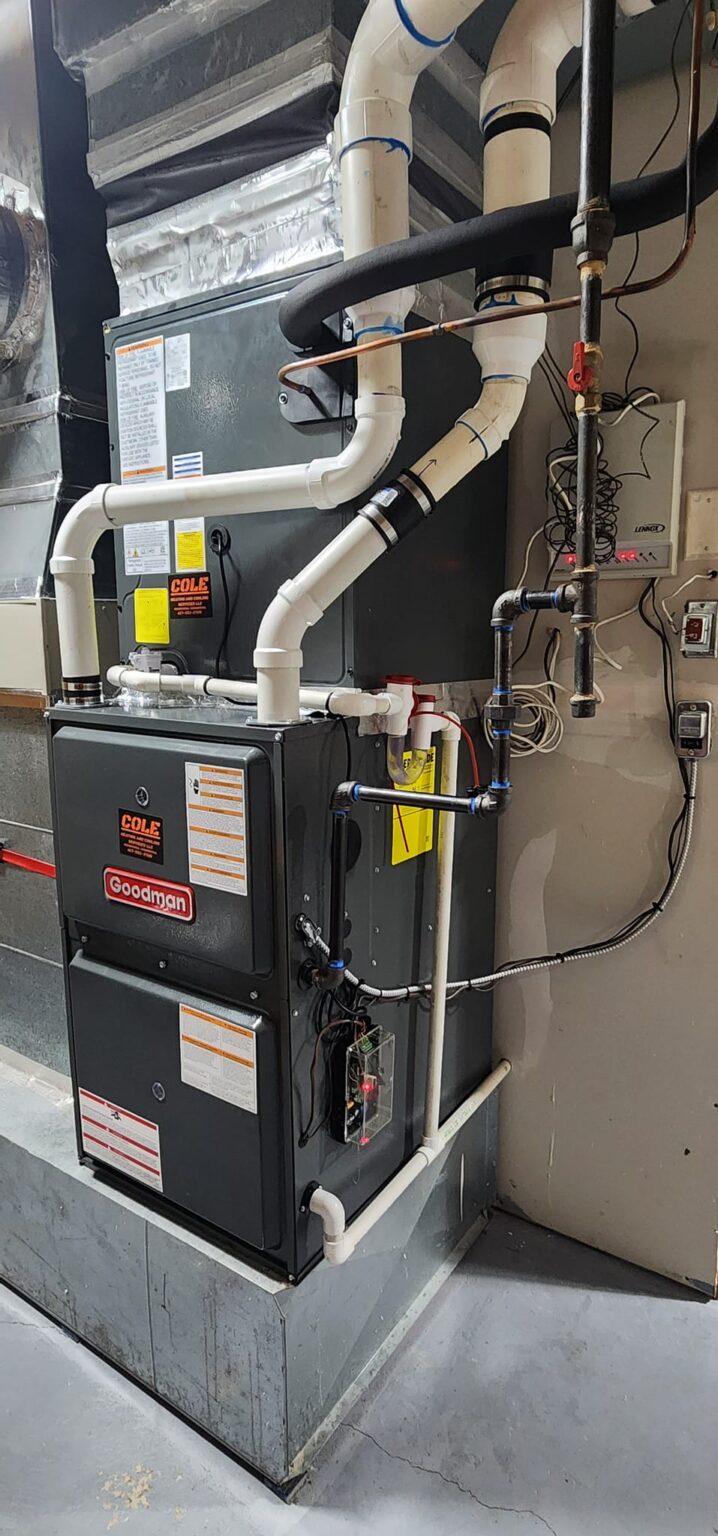
Local expertise matters. A reputable local provider such as Cole Heating and Cooling Services LLC understands Nixa’s climate pressures and typical home styles, helping you choose equipment and IAQ solutions that fit your lifestyle and budget without the guesswork.
Cost, Comfort, and ROI: The Smart Way to Budget for IAQ and HVAC Upgrades
Think of IAQ as a layered investment:
Tier 1: Maintenance and filters
- Cost: Low, recurring.
- ROI: High for comfort, energy efficiency, and fewer repairs.
Tier 2: Humidity control (whole-home dehumidifier/humidifier)
- Cost: Moderate.
- ROI: High for comfort and health, reduces mold risk and energy waste.
Tier 3: Advanced purification and coil UV
- Cost: Moderate to high depending on system.
- ROI: Strong for allergy relief, odor control, and cleaner coils.
Tier 4: Duct sealing and redesign
- Cost: Moderate.
- ROI: Very high for efficiency, even temperatures, and filtration performance.
Tier 5: System replacement with variable-speed technology
- Cost: High upfront.
- ROI: Highest long-term for comfort, IAQ, noise reduction, and energy savings.
Bundling upgrades during hvac installation can save on labor and ensure everything works in concert.
DIY vs. Pro: What You Can Do Today, and When to Call an HVAC Contractor in Nixa, MO
DIY wins:
- Replace filters on schedule.
- Vacuum and keep return grilles clean.
- Keep outdoor units clear of debris and vegetation.
- Use your range hood while cooking and shower exhaust fan during and after showers.
- Monitor indoor humidity with a simple hygrometer.
Call a pro for:
- air conditioning repair beyond simple troubleshooting.
- air conditioning replacement or furnace replacement decisions.
- heater installation and heater repair involving gas, electrical, or refrigerant systems.
- duct sealing, balancing, or redesign.
- hvac installation that requires code compliance and manufacturer-certified startup.
A qualified HVAC Contractor in Nixa, MO can also provide IAQ testing, including particulate counts, VOC evaluation, and carbon monoxide monitoring for a complete picture.
Troubleshooting Guide: Fast Answers to Common HVAC and IAQ Questions
Q: Why does my house smell musty when the AC runs?
A: Likely moisture and biofilm on the evaporator coil or in the drain pan, or duct leaks pulling humid air from attic/crawl spaces. Clean the coil and drain, seal ducts, and ensure proper refrigerant charge. Consider UV-C lights at the coil.
Q: How often should I change my filter?
A: Every 1–3 months for 1-inch filters; every 6–12 months for 4–5-inch media, depending on MERV, pets, and dust load. Check monthly at first, then adjust your schedule.
Q: Do higher MERV filters hurt my system?
A: They can if your system isn’t designed for the added resistance. Upgrade to a larger media cabinet and have static pressure measured. Aim for MERV 11–13 with proper airflow.
Q: Is duct cleaning worth it?
A: It helps when there’s visible debris, mold, or after construction. But sealing ducts and upgrading filtration prevents re-contamination and often delivers better long-term results.
Q: Should I get an ERV in Nixa, MO?
A: If your home is tight and feels stuffy or you’re sensitive to odors and VOCs, an ERV is an excellent addition that pairs well with high-MERV filtration and humidity control.
The Energy-Healthy Home: Marrying Efficiency With Clean Air
Efficiency upgrades often benefit IAQ:
- Variable-speed compressors and modulating furnaces: Longer, quieter runs mean better dehumidification and more filtration time.
- Smart thermostats with IAQ integration: Automate humidity setpoints and ventilation cycles.
- Proper insulation and air sealing: Reduce infiltration of dirty air while making mechanical ventilation more effective.
Watchouts:
- Tightening a home without ventilation can trap pollutants. Always pair air sealing with controlled ventilation strategies.
What to Expect During a Professional HVAC and IAQ Evaluation
A thorough evaluation should include:
- Room-by-room load calculation.
- Duct inspection with measurements of size, layout, sealing, and insulation.
- Static pressure testing and airflow measurement at key registers.
- Filter assessment and recommendations based on health and system design.
- Humidity and temperature logging, ideally over a few days if issues are complex.
- CO testing for gas appliances and verification of safe venting.
Deliverables:
- A clear report with findings, photos, and prioritized recommendations.
- Options across budgets, with pros and cons for each upgrade.
- A maintenance plan that aligns with your equipment and IAQ goals.
If your provider checks all these boxes, you’re set up for long-term success. Many homeowners in Nixa trust local expertise from Cole Heating and Cooling Services LLC for exactly this kind of holistic approach, balancing comfort, air quality, and efficiency.
The Homeowner’s IAQ Action Plan: Step-by-Step
Use this prioritized plan to start improving your air today.
1) Get the basics right
- Install a MERV 11–13 media filter sized for low resistance.
- Replace filters on schedule and keep returns clear.
- Use bath and kitchen exhaust fans diligently.
2) Stabilize humidity
- Target 40–50% year-round.
- Add a whole-home dehumidifier if summer RH stays elevated.
- Add a humidifier with outdoor reset for winter.
3) Clean and protect your system
- Schedule coil cleaning and condensate maintenance.
- Consider UV-C at the coil.
- Seal and insulate accessible ducts.
4) Ensure smart airflow
- Verify return paths for all rooms; add transfer grilles if needed.
- Balance registers and measure static pressure.
- Consider ECM blowers or variable-speed equipment.
5) Ventilate wisely
- Add an ERV if your home feels stuffy or you’re sensitive to VOCs.
- Integrate ventilation controls with your HVAC.
6) Maintain consistently
- Enroll in a maintenance plan for spring and fall checkups.
- Track humidity and filter life with smart tools.
FAQs: Quick, Clear Answers for Nixa Homeowners
1) How can I quickly improve indoor air quality today?
- Replace your filter with a properly sized MERV 11–13 version, run your bathroom and kitchen fans, and keep indoor humidity between 40–50%. These three steps alone can make a noticeable difference.
2) Will a new air conditioner improve my indoor air quality?
- Yes, if it’s right-sized, paired with a good filtration cabinet, and integrated with humidity control. Variable-speed systems especially help by running longer, which improves dehumidification and filtration.
3) What’s the best filter for allergies?
- A MERV 13 media filter in a 4–5-inch cabinet is a great residential sweet spot. For severe allergies, add a bypass HEPA system or a high-quality room HEPA purifier in bedrooms.
4) Do I need duct cleaning or duct sealing?
- If dust returns quickly after cleaning or you have hot/cold spots, sealing and balancing ducts usually deliver better, longer-lasting benefits than cleaning alone.
5) How often should HVAC maintenance be performed?
- Twice a year: a cooling tune-up in spring and a heating tune-up in fall. This schedule helps catch small issues before they escalate and keeps your IAQ protections working.
A Short Buyer’s Guide: Air Conditioning Replacement and Furnace Replacement Essentials
When planning air conditioning replacement or furnace replacement, prioritize:
- Load calculation and duct evaluation before quoting.
- Variable-speed compressor (AC/heat pump) and ECM blower.
- Filtration cabinet designed for MERV 13 media.
- Integrated humidity control (dehumidifier/humidifier).
- Coil UV light if biofilm has been an issue.
- ERV integration for fresh air, if appropriate.
Ask vendors:
- What’s the total system static pressure with the recommended filter?
- How will you verify airflow and charge on startup?
- Can I see the Manual J and D reports?
- What IAQ warranties and maintenance plans are available?
Clear answers indicate competence and commitment to your long-term air quality and comfort.
Safety First: Combustion Appliances and Carbon Monoxide
Indoor air quality isn’t only about comfort—it’s about safety.
- Install CO detectors on every level near sleeping areas if you have gas appliances or an attached garage.
- Annual combustion safety check: Test for proper draft, verify no back-drafting, and inspect the heat exchanger.
- Keep garage-to-home doors well sealed; avoid idling vehicles in or near the garage.
If your CO alarm ever sounds, evacuate immediately and call a professional. Safety is non-negotiable.
What About Portable Air Purifiers and Room Solutions?
Whole-home solutions are best for comprehensive IAQ, but room purifiers can help:
- Choose a unit with a true HEPA filter and a Clean Air Delivery Rate (CADR) appropriate for the room size.
- Place purifiers in bedrooms for overnight relief or in home offices where you spend the most time.
- Replace filters as specified; a clogged purifier does little good.
Combine portable purifiers with improved HVAC filtration for layered protection.
Air Conditioning Nixa, MO: Improving Indoor Air Quality—Key Myths Debunked
Myth: “The highest MERV filter is always best.”
Reality: Only if your system can handle it. Overspec’d filters can strangle airflow. Balance efficiency with pressure drop.
Myth: “Duct cleaning will solve my dust problem.”
Reality: If ducts are leaky, dust will keep coming back. Sealing and better filtration address the root cause.
Myth: “Bigger AC cools better.”
Reality: Oversized ACs short cycle, leaving humidity high and comfort low. Proper sizing is essential.
Myth: “Opening windows is enough ventilation.”
Reality: Sometimes, but not during high pollen days, extreme temps, or high humidity. ERVs provide controlled, efficient ventilation.
Checklist: Signs Your IAQ Needs Attention
- Frequent allergy symptoms at home.
- Musty or stale odors when HVAC runs.
- Visible dust buildup shortly after cleaning.
- Condensation on windows or sweaty vents in summer.
- Dry air discomfort in winter.
- Uneven room temperatures and noisy airflow.
- High energy bills with no change in use.
If two or more apply, schedule a professional evaluation to get ahead of the problem.
Why Local Matters: Nixa’s Climate, Homes, and HVAC Nuances
Nixa’s humid summers and cool winters demand systems that can pivot between dehumidification and humidification with ease. Many homes in the area feature a mix of duct layouts—some with long attic runs—and varying insulation levels. This means:
- Duct sealing and insulation are frequently high-value upgrades.
- Whole-home dehumidifiers can be a game changer for comfort from May through September.
- Variable-speed systems add comfort and IAQ benefits across seasons.
- Choosing an HVAC Company in Nixa, MO with local experience ensures you get recommendations grounded in the realities of the Ozarks climate.
This is where a provider like Cole Heating and Cooling Services LLC can shine: practical, climate-specific guidance that integrates air quality with efficiency and comfort.
Putting It All Together: Your Path to Cleaner, Healthier Air
Let’s recap with a straightforward formula you can use:
- Assess: Check humidity, listen for airflow issues, and observe your comfort patterns.
- Maintain: Change filters, clean coils, clear drains, and schedule biannual tune-ups.
- Optimize: Upgrade to MERV 11–13 media filtration and add humidity control as needed.
- Seal and balance: Ensure ducts are tight and airflow is even.
- Ventilate: Add ERV or use exhaust fans smartly for controlled fresh air.
- Modernize: When it’s time, choose variable-speed equipment with IAQ integration.
- Verify: Measure static pressure, airflow, and humidity to confirm results.
With these steps, Air Conditioning Nixa, MO: Improving Indoor Air Quality isn’t just a topic—it’s your home’s new reality.
Conclusion: Breathe Easier, Live Better, Spend Smarter
Healthy indoor air isn’t expensive or complicated when you focus on the fundamentals: smart design, consistent maintenance, and targeted upgrades. Your HVAC system can be your greatest ally in creating a comfortable, clean, and efficient home—one that supports your health in every season.
From upgraded filtration and balanced humidity to duct sealing and proper ventilation, the improvements you make today will pay off in fewer allergy symptoms, better sleep, and lower energy bills. When you’re ready for expert guidance—whether you need hvac repair, thoughtful hvac installation, or seasonal hvac maintenance—choose an HVAC Contractor in Nixa, MO who prioritizes IAQ as much as comfort. Local teams like Cole Heating and Cooling Services LLC can help you translate best practices into real-world results, tailored to Nixa’s unique climate and your family’s needs.
Air Conditioning Nixa, MO: Improving Indoor Air Quality is more than a blog title—it’s a commitment to a healthier home. Take the first step: check your filter, measure your humidity, and schedule a tune-up. Your lungs, your wallet, and your peace of mind will thank you.