
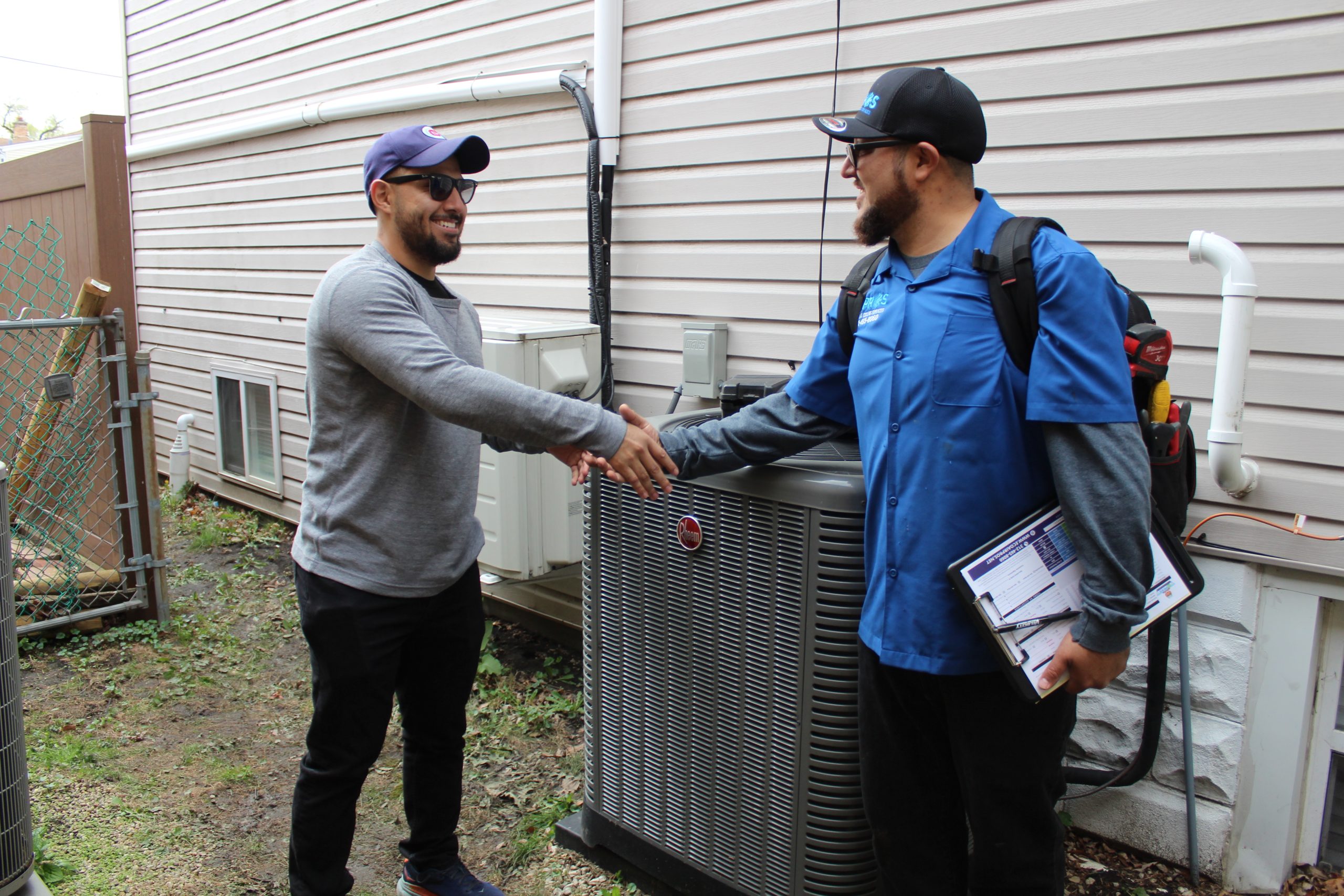
Heating System Troubleshooting in Elmwood Park, IL by Experts
Winter in Elmwood Park doesn’t politely knock; it barges in with biting winds and single-digit temps. When your heating acts up—whether it’s grinding, squealing, blowing cold air, or refusing to turn on—your comfort, safety, and wallet are on the line. This comprehensive guide, Heating System Troubleshooting in Elmwood Park, IL by Experts, is designed to help you identify problems faster, communicate clearly with a technician, and determine what you can safely handle versus what needs a certified pro. You’ll also learn how to keep your system running smoothly season after season with preventative care tailored to Chicagoland’s unique weather.
We’ll walk through hands-on heating system troubleshooting steps, common fixes, deeper diagnostics, and professional insights drawn from years of field experience. You’ll find actionable checklists, easy-to-understand explanations, and a practical approach to tackling furnace and boiler issues safely and confidently. And yes—we’ll optimize for search engines without sacrificing readability or trustworthiness, so you can find what you need quickly and actually use it.
If you live in or around Elmwood Park, IL, this guide is your go-to resource—from basic thermostat checks to understanding high-efficiency furnace fault codes. Let’s get your home warm again.
Heating anc Air Conditioning in Elmwood Park, IL,HVAC Company Elmwood Park, IL,HVAC Contractor Elmwood Park, IL,Heating & Cooling,Air Conditioning,Heating
Elmwood Park homeowners need reliable Heating & Cooling support to face abrupt temperature swings—from sweltering summers to arctic snaps. Local systems work hard, and with that comes wear, breakdowns, and the occasional mid-winter emergency. Whether you’re searching for “Heating anc Air Conditioning in Elmwood Park, IL,” the right “HVAC Company Elmwood Park, IL,” or a trusted “HVAC Contractor Elmwood Park, IL,” it pays to understand the basics. This article blends practical advice with expert-level strategies to help you prevent problems, diagnose common failures, and partner effectively with professionals.
Here’s what you’ll gain by reading:
- A step-by-step troubleshooting blueprint for furnaces and boilers
- Safety-forward guidance on what to try yourself—and what to leave to pros
- Clear explanations of airflow, ignition, thermostat logic, and more
- Tips to prevent future breakdowns and lower energy costs
- Answers to common homeowner questions
- Local context for Elmwood Park’s climate and housing stock
If your system’s acting up, start here. If it’s dead, we’ll help you triage. If it’s working fine, we’ll help you keep it that way.
Understanding Your Heating System: Furnace, Boiler, or Heat Pump?
Before you troubleshoot, you need to know what you’re working with. In Elmwood Park, you’re most likely running:
- A forced-air gas furnace (most common)
- A hydronic boiler with radiators or baseboards
- Less commonly: a heat pump, ductless mini-split, or electric resistance heat
Here’s how they differ:
- Gas Furnaces: Burn natural gas, heat air via a heat exchanger, and distribute it through ducts. Key parts include the thermostat, control board, inducer motor, pressure switch, igniter, flame sensor, gas valve, high-limit switch, blower motor, and air filter.
- Boilers: Heat water and circulate it through radiators or radiant tubing. Key parts include the circulator pump, expansion tank, pressure relief valve, aquastat, zone valves, and gas/oil burner components (or electric elements).
- Heat Pumps/Mini-Splits: Transfer heat using refrigerant; in winter, they pull heat from outside air. In Elmwood Park’s deep freezes, many systems rely on backup electric heat or a dual-fuel furnace.
Why it matters: Each system has unique symptoms and fix paths. For example, a furnace blowing cold air points to ignition or airflow; cold radiators usually indicate air in the loop or a pump issue; a heat pump that stalls in icy weather may simply need a defrost cycle or supplemental heat.
Heating System Troubleshooting in Elmwood Park, IL by Experts
This section mirrors what seasoned techs actually do when they walk into a no-heat call. The sequence reduces risk, isolates faults logically, and avoids unnecessary parts swapping.
Step 1: Safety First
- Smell gas? Hear a loud hiss? Leave immediately, shut off gas at the meter if safe, and call your utility and a licensed HVAC contractor.
- Carbon monoxide concerns? If your CO alarm sounds, evacuate and call 911. Never ignore a CO alarm.
- Turn off power to the system at the service switch or breaker before removing panels.
Step 2: Verify the Complaint
- What’s actually wrong? No heat, intermittent heat, short cycling, odd noises, or rising energy bills?
- Note when it occurs (overnight, windy days, only upstairs).
Step 3: Thermostat Check
- Is the thermostat set to Heat and above room temp?
- Replace batteries (if present); low batteries cause erratic behavior.
- Check scheduling—did it switch to Away or Eco?
- For smart stats, confirm Wi-Fi modes aren’t overriding heat, and that the “C” wire is properly connected for stable power.
Step 4: Power and Breakers
- Confirm furnace switch is on (often looks like a light switch near the unit).
- Check the breaker panel: any tripped breakers? Reset once. If it trips again, call a pro.
- Some furnaces have a blower door safety switch that cuts power if the panel isn’t properly seated.
Step 5: Airflow Essentials
- Inspect/replace the air filter. A clogged filter can cause overheating, short cycling, or weak airflow. Use the right size and MERV rating for your system.
- Open supply registers and ensure returns aren’t blocked by furniture.
- Check for crushed ducts or disconnected runs in attics/crawlspaces.
Step 6: Gas Supply and Valve Position
- Make sure the gas shutoff valve near the furnace or boiler is parallel to the pipe (open).
- If gas service was interrupted (billing, utility work), the system may lock out or need relighting.
Step 7: Furnace Startup Sequence (for forced-air gas furnaces)
- Thermostat calls for heat.
- Inducer motor starts; pressure switch closes when proper draft is sensed.
- Hot surface igniter or spark ignites burners.
- Flame sensor verifies flame; gas valve stays open.
- After a delay, the blower turns on to distribute warm air.
Where it fails tells you a lot:
- No inducer? Suspect power, control board, or inducer motor.
- Inducer runs but no ignition? Check pressure switch, venting, condensate blockages.
- Igniter glows but flame won’t hold? Flame sensor dirty, gas valve issue, or low gas pressure.
- Burner lights but blower never starts? Faulty fan control board, blower motor/capacitor, or limit switch tripping from poor airflow.
Step 8: Boilers: Common Quick Checks
- Verify system pressure (typically 12–15 psi cold). Low pressure? Check for leaks, auto-fill valve, or expansion tank issues.
- Bleed radiators if you hear gurgling or have cold spots.
- Confirm circulator pump operation and zone valve position.
- Check the flame and pilot (if equipped). No flame? Burner ignition, thermocouple, or gas supply issue.
Step 9: Heat Pumps and Mini-Splits
- Confirm the outdoor unit is running and not entombed in ice.
- In very cold weather, ensure auxiliary heat is enabled.
- Check filters and indoor coil; dirty coils crush performance.
- Verify defrost mode is cycling; constant frosting indicates refrigerant or sensor issues—call a pro.
Step 10: Reset Logic
- Many modern furnaces lock out after failed ignition attempts. Reset by cutting power for 30–60 seconds.
- If the system only works after resets, you have an underlying fault that needs attention.
When to Stop DIY:
- You suspect a cracked heat exchanger or smell furnace fumes.
- You’re dealing with gas valves, control boards, high-voltage wiring, or pressure testing.
- You see water pooling around a high-efficiency furnace or boiler without an obvious cause.
- Breakers repeatedly trip.
The Heating System Troubleshooting in Elmwood Park, IL by Experts approach above saves time and keeps you safe. If you need professional help, a seasoned HVAC Contractor Elmwood Park, IL residents trust can combine these steps with diagnostic tools to identify root causes fast.
Top Signs Your Heating System Needs Immediate Attention
When your home’s heating underperforms, your system often “tells” you what’s wrong. Listen for these signals:
- Short Cycling: The furnace turns on and off every few minutes. Likely airflow restriction (dirty filter), oversized equipment, blocked vents, or a failing high-limit switch.
- Blower Runs Constantly: Check thermostat fan setting (Auto vs On). If set to Auto and still runs, suspect a stuck relay or high-limit switch.
- Cold Air from Vents: Ignition failure, gas supply issues, reversed airflow, or heat exchanger problems. Also check duct leaks near the furnace.
- Uneven Heat Between Rooms: Duct balance, closed dampers, insulation deficiencies, or multi-zone control problems.
- Strange Noises: Squeals (belt or blower motor bearings), rumbles (delayed ignition), bangs (duct expansion or gas ignition), grinding (failing motor), gurgling (air in hydronic lines).
- Higher Utility Bills: Duct leaks, dirty burners or coils, poor thermostat placement, aging equipment, or a slow-failing motor.
- Repeated Lockouts or Error Codes: Modern units display diagnostic codes—don’t ignore them; they’re your fast lane to a fix.
If any of these symptoms sound familiar, it’s time for structured troubleshooting—or a service call to a qualified HVAC Company Elmwood Park, IL homeowners have used for years.
Decoding Furnace Error Codes: What Those Flashes Mean
Most modern furnaces include a sight glass with an LED on the control board. When there’s a fault, the light blinks in a pattern. Here’s how to interpret it:
- One or two flashes: Usually a minor fault—could be a lockout due to repeated ignition failures.
- Pressure Switch Errors: The inducer may run, but the pressure switch never closes. Check for blocked vents, a bad pressure switch, cracked/torn tubing, or a clogged condensate trap in high-efficiency systems.
- Limit Switch Open: Often due to overheating from clogged filters, blocked returns, or a failed blower motor. Can also indicate undersized ductwork or closed registers.
- Ignition Fault: Igniter failure (cracked or weak), gas valve not opening, flame sensor not proving flame.
- Rollout Switch Tripped: Serious. Indicates flames escaping the burner area due to blocked heat exchanger, improper venting, or delayed ignition. Requires immediate professional service.
Note: The specific meanings vary by brand. Check the sticker on the blower door or the manufacturer’s manual. Take a short video of the flash sequence to show your technician.
Airflow Mastery: The Secret to Efficient Heating
Airflow is the backbone of a comfortable, efficient home. Poor airflow is behind many furnace shutdowns and comfort complaints.
What to check:
- Filter: Replace every 1–3 months in winter or as needed. If you upgraded to a very high MERV filter, make sure your system can handle the resistance.
- Return Air: Blocked returns starve the blower. Make sure grilles are clean and unobstructed.
- Duct Leaks: Seal gaps with mastic or UL-181 foil tape (not “duct tape”). Leaks near the furnace can blow warm air into the basement.
- Closed or Misadjusted Dampers: Seasonal damper positions matter. If some rooms are much colder, a damper may be closed in the branch duct.
- Blower Wheel: Dust-packed blowers move less air. Cleaning requires removing the wheel—this is best handled by a pro during maintenance.
Consequences of poor airflow:
- Overheating and short cycling
- Higher gas and electric bills
- Premature component failures
- Cold rooms and persistent drafts
If you’ve had repeated limit switch trips, fix airflow before replacing parts—it’s often the root cause.
Ignition and Flame Sensor: Light It Right
The ignition sequence is precise. Even minor deviations can cause misfires, rumbling, or lockouts.
Common ignition issues:
- Weak or cracked hot surface igniter: Visible hairline cracks or a dull surface indicate imminent failure. Turn off power and handle with care; skin oils shorten lifespan.
- Dirty flame sensor: A thin layer of oxide can prevent flame sensing. Lightly polish with a fine abrasive pad and reinstall. Don’t over-sand.
- Misaligned burners or dirty burner orifices: Can cause uneven flames or delayed ignition. Soot or yellow tips are red flags.
- Low gas pressure: Requires a manometer to test. If other gas appliances struggle too, call your gas utility and an HVAC Contractor Elmwood Park, IL residents recommend.
Pro tip: If your furnace lights then shuts off within a few seconds, the flame sensor is the likely culprit. Clean it first; if that fails, replace.
Condensate and Venting: The Hidden Winter Gotchas
High-efficiency furnaces (90+ AFUE) produce condensate that must drain freely. In Elmwood Park’s deep cold, drainage and venting are common failure points.
- Frozen or Sagging Condensate Lines: Water backs up and trips safeties. Insulate lines near exterior walls and maintain proper slope to the drain.
- Clogged Condensate Trap: Slime and debris are common. Cleaning is part of annual maintenance.
- Improper Vent Terminations: Snow drifts can bury intake/exhaust pipes. Keep them clear and at proper height above grade.
- Shared Venting Errors: Older systems may be improperly tied into other appliances. Modern codes often require dedicated venting.
Symptoms of vent/condensate problems:
- Inducer runs but no ignition
- Gurgling sounds near the furnace
- Water pooling near the unit
- Pressure switch errors
Address these promptly; they’re low-cost fixes that prevent lockouts and water damage.
Boiler Basics: Quiet, Steady, and Sometimes Tricky
Hydronic systems offer fantastic comfort, but troubleshooting differs from forced air.
Checklist for common boiler issues:
- No Heat in One Zone:
- Thermostat calling?
- Zone valve motor failed?
- Circulator pump not running?
- Airlock in that loop—bleed radiators/baseboards.
- Boiler Short Cycling:
- Oversized boiler, poor differential settings, or failed aquastat.
- Expansion tank waterlogged—tap it; a hollow “ring” is good, a dull thud means waterlogged.
- Radiators Gurgling or Cold at Top:
- Open the air vent with a bleed key. Catch water in a cup. When air stops and water flows steadily, close it.
- Pressure Problems:
- Under 10 psi? Auto-fill may be closed or failed. Above 25 psi? Pressure relief valve may open; check expansion tank pre-charge and system overfiring.
Safety note: Don’t remove boiler covers or burner assemblies unless trained. Gas combustion tuning and venting are specialized work.
Thermostats and Smart Controls: Small Device, Big Influence
Thermostat issues are often misdiagnosed as furnace failures. Quick wins:
- Correct Mode and Setpoint: Heat mode, fan Auto, temperature set above room temperature.
- Battery Replacement: Replace annually. Smart stats with weak batteries can cause dropouts.
- Placement: Avoid placing thermostats near supply vents, ovens, or direct sunlight. Bad placement causes short cycling and uneven heat.
- Wiring: Loose “C” wire connections can cause smart thermostats to reboot and drop the heat call.
- Learning Features: Smart thermostats may “learn” setbacks that leave the home cold in the morning. Temporarily disable learning to test.
If in doubt, temporarily install a simple non-programmable thermostat. If performance stabilizes, you’ve found your culprit.
When Should You Call an HVAC Professional?
DIY has limits. Call a seasoned HVAC Company Elmwood Park, IL trusts if:
- You’ve checked power, thermostat, filter, and resets without success.
- Your furnace trips the rollout switch or smells like exhaust.
- You see water around your high-efficiency unit or boiler.
- Breakers trip repeatedly.
- You suspect a failed inducer, board, gas valve, or heat exchanger.
- Error codes persist after basic cleaning and airflow fixes.
Professionals bring combustion analyzers, manometers, microamp meters (for flame sensors), and experience reading subtle patterns in flame behavior, pressure switch timing, and temperature rise. A good HVAC Contractor Elmwood Park, IL homeowners rely on can often diagnose in one visit, saving you days of trial and error.
Local note: For trustworthy service in Elmwood Park and nearby communities, Eco Air Pros Heating and Cooling is known for methodical diagnostics and practical solutions—especially helpful during peak winter when every hour matters.
Preventative Maintenance: Your Best Money-Saver
Maintenance prevents emergencies, extends system life, and maintains efficiency.
Annual furnace maintenance checklist (pro-performed):
- Combustion analysis and gas pressure check
- Inspect and clean burners and flame sensor
- Verify igniter resistance
- Inspect heat exchanger (visual; advanced testing if needed)
- Check inducer and pressure switch operation
- Clean condensate trap and verify drainage
- Measure temperature rise across the heat exchanger
- Test safety controls (limit, rollout, pressure switches)
- Inspect and tighten electrical connections
- Lubricate motors where applicable
- Clean or replace filter; confirm proper sizing and MERV
Boiler maintenance:
- Check expansion tank pre-charge and isolation
- Inspect circulators and zone valves
- Test pressure relief valve function
- Clean burner assembly and check combustion
- Bleed air from system and confirm proper pressure
Homeowner monthly/seasonal tasks:
- Replace filters
- Keep vents/registers open and unblocked
- Clear snow from outdoor heat pump units and vent terminations
- Listen for unusual sounds and note changes in cycling
- Verify carbon monoxide detectors are working
Energy Efficiency Upgrades That Actually Pay Off
Not all upgrades are created equal. Here’s what typically yields real savings in Elmwood Park:
- Smart Thermostat with Proper Setbacks: 1–3 degrees can save without killing comfort.
- Sealing Duct Leaks: Especially in basements and attics. Big ROI.
- High-Efficiency Variable-Speed Furnace: More even heat, quieter, lower energy use. Pair with a good duct evaluation.
- Adding Return Air: Many older homes are starved for return airflow. Strategic additions can transform performance.
- Insulation and Air Sealing: Attic and rim joist air sealing is huge for comfort and bills.
- Zoning or Balance Dampers: Helps with two-story comfort problems.
Talk with a qualified HVAC Contractor Elmwood Park, IL homeowners trust for a whole-home approach—equipment plus envelope equals results.
Elmwood Park Winter Reality: Cold, Wind, and Salt
Local context matters:
- Lake effect winds can increase infiltration; prioritize air sealing and filter changes.
- Salt and moisture can corrode outdoor heat pump components and vent terminations—inspect mid-winter.
- Freeze-thaw cycles cause condensate lines to ice over in unconditioned spaces—insulate and slope correctly.
A plan that accounts for these conditions prevents mid-January panic.
DIY Troubleshooting Flowchart (Text Version)
Start: No heat or poor heat?
1) Thermostat
- Set to Heat? Batteries fresh? Setpoint above room temp?
- If smart: disable learning and schedules temporarily.
2) Power
- Furnace switch ON? Breaker OK? Door switch engaged?
3) Filter/Airflow
- Replace filter. Open vents and returns. Check for crushed ducts.
4) Reset
- Cut power for 60 seconds, restore, call for heat. Watch sequence.
5) Observe
- Inducer runs? If no: power/board/inducer issue.
- Inducer runs but no ignition? Check venting/pressure switch/condensate.
- Igniter glows but flame drops? Clean flame sensor; check gas.
6) Still no heat?
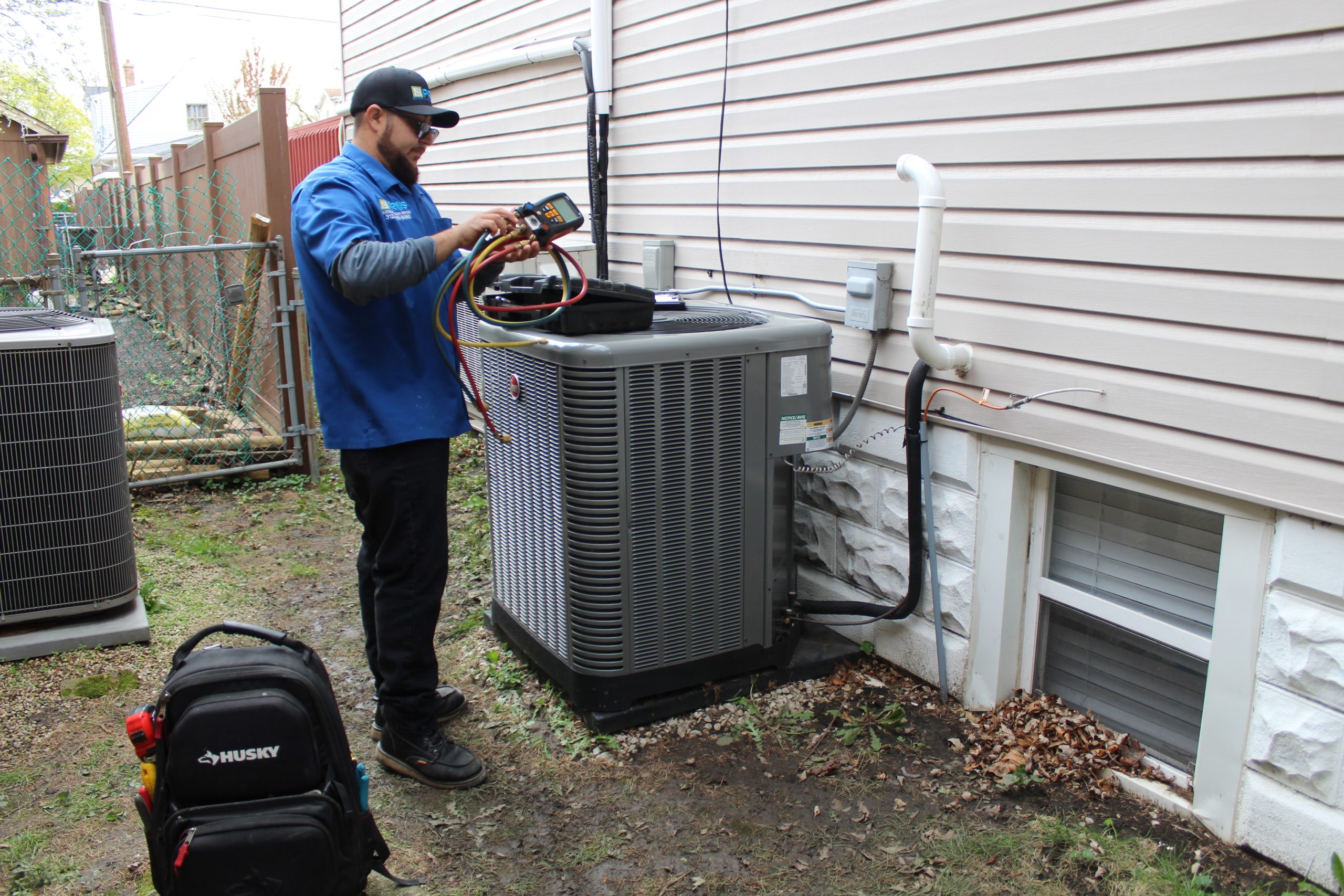
- Note error code. Stop DIY. Call a pro with your observations.
This streamlined approach mirrors professional logic and avoids blind part swapping.
Heating System Troubleshooting in Elmwood Park, IL by Experts: Field Case Studies
Case 1: The Late-Night Short Cycler
- Symptom: Furnace ran for 3 minutes, shut off, restarted 5 minutes later.
- Findings: MERV-13 filter installed in an older 80% furnace without increased return capacity. High-limit opening due to low airflow.
- Fix: Drop to MERV-8, clean blower wheel, adjust fan speed. Short cycling gone.
Case 2: The Ghost Lockout
- Symptom: Random lockouts with code for pressure switch open.
- Findings: Condensate trap partially clogged; during long runs, water backed into the inducer assembly, opening the pressure switch.
- Fix: Clean trap, flush lines, add cleanout tee. No more lockouts.
Case 3: Cold Radiators Upstairs
- Symptom: First floor fine, second floor cold.
- Findings: Air locked in upper loop, auto-vent stuck shut, and circulator speed too low.
- Fix: Bleed upper radiators, replace auto-vent, increase circulator speed. Even heat restored.
Case 4: Loud Boom at Startup
- Symptom: Delayed ignition with a “thump.”
- Findings: Dirty burners and misaligned carryover ports.
- Fix: Remove and clean burner assembly, align ports, verify gas pressure. Quiet starts thereafter.
How to Talk to Your HVAC Technician Like a Pro
Clear communication speeds repairs:
- Share exact symptoms and timing: “Furnace runs 2–3 minutes, shuts off, filter clean.”
- Provide error codes or blink patterns.
- Note recent changes: thermostat upgrade, filter type, attic insulation work.
- Mention noises and where they originate.
- Share a video if possible. A 20-second clip can save a trip.
This collaboration makes your visit faster, cheaper, and more accurate.
Common Parts That Fail—and What They Do
- Flame Sensor: Proves flame is present. Weak signal shuts gas valve. Clean or replace.
- Hot Surface Igniter: Lights the gas. Fragile and consumable.
- Pressure Switch: Verifies proper vent draft. Sensitive to water and obstructions.
- High-Limit Switch: Protects from overheating by shutting burners off.
- Inducer Motor: Ensures safe exhaust flow before ignition.
- Blower Motor and Capacitor: Circulate warm air. Weak capacitors cause slow starts and overheating.
- Control Board: The system “brain.” Fails less often than suspected; verify inputs first.
- Thermocouple (older standing pilot systems): Senses pilot flame and holds gas valve open.
Understanding these parts helps you avoid unnecessary replacements.
Cost Expectations: Repair vs Replace
Typical ranges in our area (rough estimates; call for a quote):
- Flame sensor: low
- Hot surface igniter: low to moderate
- Pressure switch: moderate
- Blower capacitor: low
- Blower motor: moderate to high depending on ECM vs PSC
- Inducer motor: moderate to high
- Control board: moderate to high
- Heat exchanger replacement: high; often triggers replacement decision
- Boiler circulator pump: moderate
- Zone valve motor: low to moderate
Replacement considerations:
- Age of system (furnace 15–20 years, boiler 20–30)
- Frequency of repairs
- Energy bills and comfort complaints
- Safety issues (cracked heat exchanger)
A trusted HVAC Company Elmwood Park, IL residents rely on will present options transparently—repair now, plan later, or replace with ROI.
Indoor Air Quality: Comfort Beyond Temperature
Heating is part of a bigger comfort system:
- Humidifiers: Combat dry winter air, protect wood floors, and improve comfort at lower temps.
- Air Cleaners: Media filters or high-efficiency options for allergies and dust control.
- Fresh Air Ventilation: Balanced ventilation supports health and reduces stale air in tight homes.
- Duct Cleaning: Useful when construction dust or heavy buildup impedes airflow; not a substitute for filtration and sealing.
Proper IAQ reduces static, dryness, and contamination while easing the load on your heating system.
A Quick Word on Safety: Carbon Monoxide and Venting
CO is colorless, odorless, and deadly. Protect your household:
- Install working CO detectors on each level and near sleeping areas.
- Test them monthly and replace batteries annually.
- Have your heating system inspected yearly for combustion safety.
- Keep exhaust and intake vents clear of snow and debris.
If an alarm sounds, get outside, call 911, and do not reenter until cleared.
Checklist: What to Do Before an HVAC Visit
- Replace the filter.
- Verify thermostat settings and fresh batteries.
- Check breaker and furnace switch.
- Clear a 3–4 foot area around the furnace or boiler for access.
- Note error codes and symptoms.
- Secure pets and ensure someone 18+ is home.
You’ll shorten visit time and improve outcomes.
Why Local Expertise Matters in Elmwood Park
Local pros know:
- The quirks of older bungalows and two-flats
- Which neighborhoods have chronic duct sizing issues
- How lake-effect weather affects venting and infiltration
- Utility rebate programs and code requirements
Choosing the right HVAC Contractor Elmwood Park, IL can save you from unnecessary spending and recurring problems. Many homeowners in the area trust Eco Air Pros Heating and Cooling for responsive service and straightforward advice, particularly when winter weather turns severe.
Comparison Table: Furnace vs Boiler vs Heat Pump for Elmwood Park
| System Type | Strengths | Weaknesses | Best Fit | |---|---|---|---| | Gas Furnace | Fast warm-up, easy zoning via ducts, common parts | Requires ducts, can be drafty if poorly sealed | Most single-family homes with existing ductwork | | Boiler (Hydronic) | Even, comfortable heat; quiet; radiant options | Slower response; radiator maintenance; less cooling integration | Homes with existing radiators or radiant floors | | Heat Pump | Efficient in mild cold, provides heating and cooling | Needs backup heat in deep cold; outdoor unit ice management | Homes seeking electrification or with ductless needs |
Your home’s envelope, duct situation, and comfort goals should drive the choice.
Seasonal To-Do List for Elmwood Park Homeowners
Fall (Pre-Heating Season)
- Schedule professional maintenance.
- Replace filters; stock spares.
- Test thermostat and heating cycle.
- Clear leaves from outdoor units and vent terminations.
- Check CO detectors.
Mid-Winter
- Inspect vents for snow and ice, especially after storms.
- Monitor energy bills for sudden spikes.
- Replace filters if they’ve darkened significantly.
Spring
- Consider duct repairs or balancing while heating demand is low.
- Evaluate humidifier pad replacement and shutoff.
- Plan for any necessary system upgrades before summer rush.
Troubleshooting Q&A: Quick Answers for Common Questions
Q: Why is my furnace blowing cold air? A: Check the thermostat fan setting (should be Auto). If correct, your furnace may be shutting down due to overheating from a clogged filter or failing to ignite. Replace the filter, reset power, and observe the ignition sequence. If burners light and shut off quickly, clean the flame sensor. Persistent issues require a pro.
Q: My furnace keeps turning on and off—what’s wrong? A: Short cycling is commonly caused by restricted airflow (dirty filter, closed vents), a faulty high-limit switch, or an oversized furnace. Verify airflow first. If the problem continues, call a technician to check temperature rise, blower speed, and safety switches.
Q: Should I repair or replace a 18-year-old furnace? A: If repairs are minor and infrequent, keep it running with maintenance. If you’re facing high-cost parts (heat exchanger, control board, inducer) or frequent breakdowns, consider replacement. A pro can compare repair costs vs efficiency gains and available rebates.
Q: Why does my boiler make gurgling sounds? A: Air in the system. Bleed radiators, check auto-vents, and verify proper system pressure. If the noise persists, the circulator or expansion tank may need attention.
Q: How often should I change my filter in winter? A: Typically every 1–3 months, sooner with pets or renovations. Check monthly; if it looks dirty, replace it. A clean filter protects your system and your wallet.
FAQs
1) What’s the most common cause of no heat in Elmwood Park homes?
- A dirty filter leading to overheating and safety shutdowns is extremely common. Thermostat issues and condensate blockages also frequently cause no-heat calls.
2) How can I tell if my heat exchanger is cracked?
- Signs include soot buildup, unusual flame movement when the blower starts, and elevated CO. Only a trained technician can confirm safely. If suspected, shut the system down and call a pro immediately.
3) Are smart thermostats worth it for older furnaces?
- Yes, if installed correctly with a stable C wire and sensible schedules. They can improve comfort and efficiency, but improper setup can cause short cycling. Have a pro verify wiring and settings.
4) Why does my furnace smell like burning dust at the season’s first start?
- Dust on the heat exchanger and elements burning off is normal and should dissipate within a few hours. If a burning plastic or electrical smell persists, turn it off and call a technician.
5) How do I avoid frozen condensate lines?
- Insulate runs in unconditioned spaces, maintain a downward slope, keep traps clean, and consider heat tape where appropriate. Clear snow from vent terminations.
Heating System Troubleshooting in Elmwood Park, IL by Experts: Your Action Plan
You’ve now got a practical, expert-backed roadmap. To recap:
- Start safe: check for gas and CO risks.
- Confirm basics: thermostat, power, filter, and airflow.
- Observe the startup sequence to pinpoint failure.
- Handle simple fixes: filter change, flame sensor cleaning, vent clearing, thermostat batteries.
- Stop at gas valves, control boards, and persistent error codes—call a pro.
- Schedule annual maintenance and adopt seasonal habits for reliability and efficiency.
If your system is struggling or you’d like a preventive check before the next cold snap, consider consulting a reputable HVAC Contractor Elmwood Park, IL residents recommend. Many homeowners have had positive experiences with Eco Air Pros Heating and Cooling for thorough diagnostics and straightforward maintenance options.
Conclusion: Stay Warm, Stay Safe, and Stay Ahead
Heating System Troubleshooting in Elmwood Park, IL by Experts isn’t about guesswork—it’s about method. Begin with safety, verify the simple things, and use the system’s own behavior to guide your next step. Small actions like changing filters, cleaning flame sensors, and keeping vents clear can prevent major headaches. When issues go beyond DIY, partnering with a qualified HVAC Company Elmwood Park, IL homeowners trust will protect your home, your budget, and your peace of mind.
So, the next time your furnace acts ornery, don’t panic. Use this guide, Heating System Troubleshooting in Elmwood Park, IL by Experts, to navigate the problem quickly and confidently. With the right approach—and a little help when needed—you’ll keep your Elmwood Park home warm, efficient, and comfortable all winter long.