
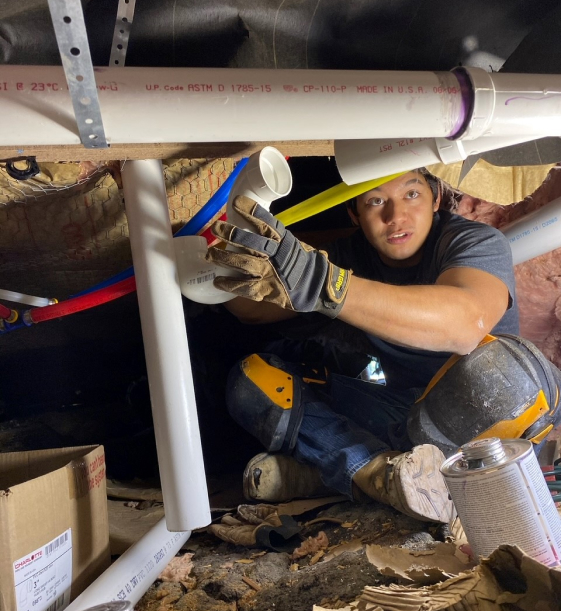
Plumbing Company Georgetown Sosa Services: Drain Cleaning Done Right
Plumbing Company Georgetown Sosa Services: Drain Cleaning Done Right

When your kitchen sink’s gurgling like a swamp, your shower drains slower than weekend traffic on I-35, or a mystery odor lingers around your floor drain—there’s no time for guesswork. You need a trustworthy pro who can diagnose fast, fix right, and keep your home running smoothly. This long-form guide is your all-in-one resource for understanding drain cleaning done right—how to prevent clogs, what to do in an emergency, and how to choose the right plumber. You’ll walk away with practical tips, clear answers, and a step-by-step action plan if your drains ever go sideways. And if you’re in Williamson County and searching for a reliable, local expert, we’ll show you what to expect from a plumbing company committed to Georgetown homes and businesses.
Above all, this guide is built to help you make confident, informed decisions about your plumbing—including when to call a pro and how to evaluate one. Let’s dive in.
local sosa plumbing in Georgetown,best sosa plumbing services Georgetown tx,trusted sosa plumbing company,plumbing company Georgetown sosa services,emergency plumber sosa Georgetown,affordable sosa plumber Georgetown,experienced plumber sosa plumbing services Georgetown,sosa plumbing near me Georgetown,plumber in Georgetown sosa services,Sosa Plumbing Services,Georgetown Sosa Plumbing Services,Sosa Plumbing Company Georgetown,Georgetown Plumber Sosa Plumbing Services,Sosa Plumber,Sosa Plumbing near me
If you’ve been hunting for local sosa plumbing in Georgetown, typing “sosa plumbing near me Georgetown,” or searching for the best sosa plumbing services Georgetown TX, you’re already on the right track. Trusted sosa plumbing company searches often lead residents to options that know the area, the soil, the tree roots, the older cast-iron lines, and the newer PVC standards common across Georgetown neighborhoods and business districts. Whether you need an emergency plumber sosa Georgetown or a routine drain maintenance visit, working with an experienced plumber sosa plumbing services Georgetown provider ensures your home or building stays safe, sanitary, and efficient.
As a Georgetown homeowner or property manager, you’ve likely found that speed, quality, and transparency are the trifecta. The right plumber in Georgetown sosa services should deliver these while remaining an affordable sosa plumber Georgetown choice. Throughout this guide, we’ll reference real-world techniques, typical costs, common misdiagnoses, and what to expect from a Georgetown Plumber Sosa Plumbing Services style of approach—professional, thorough, and grounded in local know-how.
Plumbing Company Georgetown Sosa Services: Drain Cleaning Done Right
You asked for it by name—Plumbing Company Georgetown Sosa Services: Drain Cleaning Done Right. This isn’t just a catchy line. It’s a standard. When you call a professional for drain cleaning, you deserve a process that actually solves the problem, not just masks it. A quality drain cleaning visit isn’t just about clearing a blockage—it’s about verifying the cause (grease, tree roots, scale buildup, broken pipe, foreign object), preventing future issues, and documenting the work for your records. In many cases, Plumbing Company Georgetown Sosa Services: Drain Cleaning Done Right means pairing mechanical cleaning with video inspection, outlining what was found, and providing practical maintenance advice. That way, you’re not calling again in two weeks because the same gunk reassembled in your line.
And here’s the kicker: a quick fix that ignores root cause is the most expensive option in the long run. Drain cleaning done right saves you money, time, and stress.
Why Drain Cleaning Matters More Than You Think
- Clogs aren’t just inconvenient—they can damage fixtures and pipes.
- Slow drains indicate deeper problems like scale, root infiltration, or improper venting.
- Regular drain maintenance reduces emergencies that lead to water damage and mold growth.
Think of your home’s drains like arteries. If they’re narrowed or blocked, everything upstream suffers. Your dishwasher backs into the sink. Your shower becomes a shallow pool. Worst case—sewage backs up into your tub. That’s not just gross; it’s a health hazard.
A well-executed drain cleaning restores flow, protects pipe integrity, and cuts down on future service calls. It’s preventative care with immediate benefits.
Common Drain Problems in Georgetown Homes and How Pros Solve Them
Every city has its quirks. In Georgetown, older neighborhoods often deal with legacy lines—cast iron, clay tile, or Orangeburg—that can crack or let tree roots invade. Newer build-outs may use PVC but face builder-grade traps, long horizontal runs, or venting issues that trap air and slow drainage.
Here’s what pros see most—and how they fix it:
- Kitchen Drains: Fats, oils, grease (FOG), coffee grounds, and fibrous vegetables congeal and coat the line. Solution: Mechanical cable cleaning or hydro jetting, followed by an enzyme or bio-based maintenance regimen.
- Bathroom Drains: Hair, soap scum, and toothpaste buildup. Solution: Cable cleaning for localized clogs; enzyme clean for maintenance; trap cleaning if necessary.
- Main Sewer Line: Tree roots, collapsed sections, or offset joints. Solution: Camera inspection, root cutting with specialized cutters, hydro jetting, and if needed, spot repair or trenchless pipe lining.
- Utility/Laundry Lines: Lint clogs and detergent scale. Solution: Snaking and trap cleaning; recommend lint traps and periodic enzyme treatment.
- Floor Drains: Dry traps causing odors or debris blockage. Solution: Trap primer check, cleaning the drain basket, restoring water seal.
A key part of “done right” is documenting the cause. A skilled technician doesn’t just clear your line—they explain what went wrong and how to avoid it next time.
Signs You Need Professional Drain Cleaning Now
Don’t wait until sewage is on the floor. If you notice:
- Gurgling sounds from drains or toilets
- Multiple fixtures draining slowly at once
- Water backing up in tubs or showers when you run the sink or washer
- Persistent odors near floor drains
- Frequent use of store-bought drain chemicals with only temporary relief
Call a professional immediately. These symptoms often indicate partial blockages or mainline issues. An emergency plumber sosa Georgetown option should be able to respond promptly and prevent further damage.
DIY vs. Professional: Which Drain Fix Is Right for You?
DIY can help for small, localized clogs. But when is it safe—and when should you pass the baton to a pro?
Try DIY if:
- The clog is in a single sink or shower and is recent.
- You can remove a trap or clean a drain stopper easily.
- You have a small hand auger for P-traps.
Avoid DIY if:
- Multiple fixtures are affected.
- You suspect a mainline blockage.
- You’re considering chemical cleaners—these can damage pipes, harm septic systems, and create unsafe working conditions for pros.
Pros bring advanced tools: high-torque drum machines, sectional cables, root cutters, hydro jetters, and high-resolution sewer cameras. Beyond equipment, they bring experience: the kind you want guiding choices that can protect your home for decades.
The Drain Cleaning Process: What “Done Right” Really Looks Like
Let’s demystify the process so you know what to expect from a trusted sosa plumbing company approach.
1) Assessment and Questions
- What fixtures are affected?
- How long has the problem existed?
- Any recent changes—guests, renovations, storms?
- Septic or city sewer?
2) Access and Safety
- Protective covers, shoe covers, and floor pads
- Identify accessible cleanouts and traps
- Verify utility locations if exterior cleanout is needed
3) Initial Mechanical Clearing
- Cable the line from the appropriate access point
- Use the right cutting head for the suspected clog type
- Restore basic flow
4) Water Flow and Dye Test
- Run water to confirm improved drainage and check for backup
- Dye if needed to trace drainage paths
5) Camera Inspection (When Indicated)
- Identify breaks, root intrusion, bellies, or offset joints
- Document with video and stills
6) Final Flush and Treatment
- Hydro jetting for robust cleaning of heavy buildup when appropriate
- Enzyme or bio-treatment recommendations for maintenance
- Provide a documented report with findings and recommendations
That’s the difference between temporary relief and long-term confidence.
Understanding Your Drain System: The Big Picture
Plumbing systems aren’t random—they’re carefully designed networks meant to move waste and water efficiently and safely. Here’s a quick overview of what’s behind your walls and under your lawn:
- Branch Lines: Smaller lines from sinks, showers, and appliances. Common clog points due to hair, grease, and soap.
- Main Line: The larger pipe connecting everything to the city sewer or septic system. If multiple fixtures are slow, the main line is a suspect.
- Vents: Equalize air pressure so water flows freely. Poor venting causes gurgling and slow drains.
- Traps: U-shaped sections that hold water to block sewer gases. If they go dry, odors creep in.
Diagnosing what’s wrong requires knowing how these parts interact. An experienced plumber sosa plumbing services Georgetown professional reads these signs like a second language.
Hydro Jetting vs. Snaking: Which One’s Better?
Short answer: it depends.
-
Snaking (Cable Cleaning)
-
Best for: clearing blockages, small to moderate root intrusions, localized clogs.
-
Pros: fast, effective, minimally invasive.
-
Cons: may leave residue on pipe walls, allowing quicker re-clogging.
-
Hydro Jetting (High-Pressure Water)
-
Best for: heavy grease, sludge, scale, and full-pipe cleaning.
-
Pros: scrubs pipe walls nearly clean, excellent for recurring grease lines and restaurants.
-
Cons: requires proper training, cleanouts, and condition check; not ideal for severely damaged pipes.

A trusted professional won’t push one method for every situation. They’ll pick the technique that solves your problem safely and cost-effectively.
Root Intrusion: Georgetown’s Green Challenge
Georgetown’s beautiful tree canopies come with a plumbing trade-off: roots seek water and find their way through tiny cracks or joints. Root intrusion is a top cause of mainline backups in established neighborhoods.
How pros handle roots:
- Mechanical root cutting heads to clear growth
- Hydro jetting to flush out debris
- Camera inspection to assess damage
- Root control maintenance programs for prevention
- Pipe repair or lining for long-term solutions in damaged sections
A one-time cut may not be enough if the pipe is compromised. That’s why documenting and planning is essential.
Prevention: Your Playbook for Fewer Clogs and Zero Emergencies
You can prevent many drain disasters with consistent habits and simple tools:
- Kitchen:
- Wipe greasy pans with paper towels before washing
- Use a sink strainer and empty it frequently
- Avoid putting coffee grounds, fibrous veggies, and fats down the drain
- Bathroom:
- Install hair catchers in showers and tubs
- Use enzyme-based drain maintenance monthly
- Laundry:
- Add a lint trap to the washer discharge hose
- Whole Home:
- Run hot water after using the sink to move debris along
- Schedule annual or biannual inspections for older homes or root-prone properties
- Know where your cleanouts are located
These steps cost little and save a lot.
Emergency Drain Backups: What to Do Right Now
If sewage backs up or water overflows, keep calm and act fast:
1) Stop running water and turn off water-dependent appliances. 2) If safe, shut off the main water supply. 3) Keep people and pets away from contaminated areas. 4) Do not use chemical drain cleaners. 5) Call an emergency plumber sosa Georgetown provider and explain symptoms clearly. 6) Document what you see for insurance and service records. 7) Ventilate the area and avoid using HVAC zones that might spread odor.
Once the clog is cleared, ask about sanitation services, especially if gray or black water reached porous materials like carpet.
How to Evaluate a Reliable Local Plumber in Georgetown
Whether you’re searching “Sosa Plumbing near me” or “Sosa Plumbing Company Georgetown,” use this checklist to pick a pro:
- Licensing and Insurance: Verify state licensing and active insurance coverage.
- Local Experience: Knowledge of Georgetown’s older and newer construction, soils, and municipal codes.
- Transparent Pricing: Upfront estimates, line-item descriptions, and no surprise fees.
- Equipment Readiness: Cables, jetters, cameras, and the right cutting heads onboard.
- Documentation: Video inspection availability and clear written reports.
- Warranty: Clear policy for labor and parts, where applicable.
- Communication: Friendly, timely, and clear explanations.
- Reviews and Referrals: Consistent feedback on professionalism and follow-through.
A trusted sosa plumbing company should check all these boxes without you having to ask twice.
Cost Guide: What Drain Cleaning Typically Costs and Why
Prices vary with complexity, access, pipe condition, and the technique required. While rates and scope differ between companies and situations, here’s a general guide to help you budget:
- Basic Sink or Shower Drain Clearing: typically a lower service fee range for a single fixture, includes snaking and trap cleaning
- Toilet Augering: modest fee, may be more if removal and reset are required
- Branch Line Snaking via Cleanout: mid-range, depends on line length and accessibility
- Main Line Snaking: moderate-to-higher range depending on severity, access, and time
- Camera Inspection: additional but valuable, often credited toward repairs
- Hydro Jetting: higher than snaking due to equipment, time, and water supply; ideal for heavy grease and scale
- Emergency Service: premium for after-hours, holidays, or urgent response
Ask for a written estimate, understand what’s included, and request a breakdown if you’re unsure. Transparency is a hallmark of a dependable pro.
The E-E-A-T Advantage: Why Qualified Pros Matter
Experience, Expertise, Authoritativeness, and Trustworthiness aren’t buzzwords—they’re your risk-reduction strategy.
- Experience: Knowing what a pipe “feels” like when the cable hits a root versus a collapsed section.
- Expertise: Choosing the right cutting head, the correct jetting pressure, and when to recommend camera inspection.
- Authoritativeness: Complying with Texas code, using best practices, and educating homeowners clearly.
- Trustworthiness: Showing up on time, protecting your property, and standing behind the work.
When drain cleaning is done with E-E-A-T, you get solutions, not recurring headaches.
Plumbing Company Georgetown Sosa Services: Drain Cleaning Done Right (Deep Dive on Standards)
Let’s revisit the promise of Plumbing Company Georgetown Sosa Services: Drain Cleaning Done Right. What standards should you insist on?
- Access the Right Point: Don’t just snake from a sink if a cleanout is accessible and more effective for the blockage location.
- Use the Proper Tooling: Proper cable size, cutting heads, and jetting pressure protect your pipe and maximize results.
- Verify Flow Restoration: A simple test (running water, flushing multiple fixtures) confirms success.
- Inspect When Needed: Camera inspection is not always necessary, but when recurrent problems exist, it’s gold.
- Document Clearly: Provide a summary of findings, methods used, and next steps in plain language.
This approach reduces repeat visits and gives you confidence in your system’s health.
Septic vs. City Sewer: Why It Matters for Drain Cleaning
In Georgetown, some homes are on septic systems while others connect to the city sewer. The distinction affects maintenance and cleaning methods:
- Septic:
- Avoid harsh chemical cleaners that disrupt bacterial balance.
- Consider enzyme treatments carefully.
- Pump the tank at recommended intervals.
- Jetting lines may require precautions to avoid tank overload.
- City Sewer:
- Focus on mainline health from the house to the street.
- Root intrusion and offsets are common concerns.
- City backups are possible; know how to contact utilities if needed.
Knowing your setup helps the plumber choose the safest, most effective method.
Case Study Style Scenarios: From Symptom to Solution
Scenario 1: The Weekend Backup
- Symptom: Kitchen sink backs up on Saturday night during a dinner party.
- Cause: Grease buildup and food scraps lodged at a bend.
- Solution: Cable cleaning, hot water flush, and enzyme regimen. Recommendation: Strainer and grease disposal habits.
Scenario 2: The Mystery Odor
- Symptom: Sulfur-like odor near laundry room floor drain.
- Cause: Dry trap; HVAC return drawing air across drain.
- Solution: Refill trap with water, add mineral oil layer to slow evaporation, inspect for trap primer. Education on periodic refill.
Scenario 3: The Recurring Clog
- Symptom: Mainline slow every 3–4 months.
- Cause: Tree root infiltration at old clay pipe joint.
- Solution: Root cutting, camera confirmation, maintenance program, and planning for spot repair or lining. Recurrence stopped with proactive maintenance.
Scenario 4: The New Build Surprise
- Symptom: Brand-new home with slow guest-bath drain.
- Cause: Construction debris and improper slope in a short section.
- Solution: Camera inspection, debris removal, partial line correction. Builder warranty consultation.
In each case, a thorough process prevents repeat issues.
Tools of the Trade: What Pros Carry and Why It Matters
A well-equipped service vehicle is a rolling workshop. Look for:
- Drum Machines: For long runs and mainlines
- Sectional Machines: Flexible setups for varied pipe sizes
- Cutting Heads: Straight, spiral, root cutters, grease blades
- Hydro Jetters: Portable and truck-mounted, with pressure control
- Cameras: Self-leveling heads, locators for pinpoint accuracy
- Safety Gear: Gloves, eye protection, drop cloths, respirators when needed
- Consumables: Enzyme treatments, bio-cleaners, replacement traps and gaskets
Professional tools used by trained hands minimize risk and maximize results.
Codes, Permits, and Best Practices in Texas
While routine drain cleaning rarely needs permits, repairs and replacements often do. A reputable provider follows Texas and local Georgetown codes, ensuring:
- Proper slope on drain lines
- Correct vent sizing and placement
- Approved materials and fittings
- Safe access points (cleanouts) installed where required
Cutting corners here creates chronic issues. Code compliance protects your investment and safety.
How Often Should Drains Be Cleaned? A Practical Maintenance Schedule
- High-Use Kitchens: Inspection and maintenance every 6–12 months if heavy cooking occurs.
- Main Sewer Lines with Root History: 6–12 months, or as advised following camera inspection.
- Multi-Unit/Rental Properties: Quarterly checks may be wise due to varied usage habits.
- Newer Homes With No History: As needed, but annual checkups catch early issues.
Combine cleaning with camera inspections as needed to track changes over time.
Odors, Gurgles, and Glugs: What Your Drains Are Trying to Tell You
- Gurgling: Venting or partial blockage issue. Air is trapped and burping through water seals.
- Persistent Odor: Dry trap, biofilm buildup, or sewer gas leak from compromised seals.
- Slow Drain After Rain: Groundwater intrusion or saturated soil affecting older lines; root issues common.
These signs are diagnostic clues. Don’t ignore them.
Protecting Your Pipes: Materials 101
- PVC: Common, durable, and smooth-walled; resistant to most household chemicals but avoid harsh cleaners.
- Cast Iron: Quiet and sturdy but prone to scale and corrosion internally.
- Clay/Orangeburg: Older materials susceptible to roots and collapse.
- ABS: Common in some builds; similar cautions to PVC.
Knowing your material influences cleaning pressure and tool selection.
Business and Restaurant Drain Care in Georgetown
Commercial kitchens demand proactive maintenance:
- Grease Traps: Regular pumping and inspection
- Jetting Schedule: Preventive jetting reduces blockages
- Enzyme Programs: Break down FOG between services
- Staff Training: What goes down the drain and what doesn’t
A restaurant’s reputation can hinge on clean, odor-free, code-compliant drains.
What to Expect During a Service Visit: Start to Finish
- Pre-Arrival: Courtesy call or text with ETA
- Arrival: Introductions, shoe covers, and area protection
- Assessment: Questions and quick diagnostics
- Work: Accessing cleanouts, snaking or jetting, and tests
- Wrap-Up: Area cleanup, findings explained, videos shared if taken
- Next Steps: Maintenance tips and any repair recommendations
- Billing: Transparent invoice with clear labor and material notes
Professionalism shows in the details.
Choosing Between Repair and Replacement
If your drains clog repeatedly due to damaged pipes, you’ll face a decision:
- Spot Repair: Fix the failed segment; less invasive and cost-effective for isolated issues.
- Pipe Lining (Trenchless): Creates a new interior pipe within the old one; great for minimizing excavation.
- Full Replacement: Best when widespread deterioration exists.
A camera inspection with locations and depths allows smart, targeted decisions.
Environmental and Health Considerations
- Avoid caustic cleaners that can harm pipes and septic systems.
- Choose bio-based treatments when appropriate.
- Address sewage backups quickly to prevent mold and bacterial hazards.
Safe practices protect your family and the environment.
How to Prepare for a Drain Cleaning Appointment
- Clear access to sinks, cleanouts, and utility areas.
- Move fragile items from work zones.
- Keep pets secured.
- Share prior service records if available.
- Note all symptoms to help with diagnosis.
These steps shorten the visit and improve outcomes.
Troubleshooting Quick Reference: Questions and Answers
Q: Why does my sink gurgle after the dishwasher runs? A: Likely a partial blockage or venting issue in the branch line. A professional can clear and evaluate vent performance.
Q: Do I need a camera inspection every time? A: Not for simple, first-time clogs. But if clogs recur or affect multiple fixtures, camera inspections provide clarity and prevent guesswork.
Q: Is hydro jetting safe for my pipes? A: When performed correctly by trained pros and matched to your pipe condition, yes. Severely damaged pipes should be repaired first.
Q: How can I tell if I have a mainline clog? A: If multiple fixtures across the home are slow or backing up, especially low-level fixtures like tubs or floor drains, suspect the mainline.
Q: Are store-bought enzyme cleaners helpful? A: Quality enzyme treatments can help maintain flow when used per instructions. They aren’t a cure for structural issues like breaks or roots.
A Smart Homeowner’s Checklist: Drain Care Essentials
- Install strainers on all sinks and showers
- Keep a small hand auger for simple clogs
- Use bio-enzymes monthly for kitchens and showers
- Never pour grease down the drain
- Know your cleanout locations
- Schedule periodic professional inspections for older homes
Small habits prevent big headaches.
Comparing Service Options: What Sets a Trusted Local Provider Apart
- Local Knowledge: Understanding Georgetown’s mix of older infrastructure and new subdivisions.
- Responsiveness: Same-day or emergency options when you need them.
- Education: Clear explanations, photos, or videos of findings.
- Follow-Through: Maintenance plans and reminders for root-prone lines.
It’s not just about clearing clogs; it’s about protecting your home.
Sample Maintenance Plan Template
Month 1:
- Professional cleaning and camera inspection
- Start enzyme regimen
Month 2–5:
- Monthly enzyme application
- Hot water flushes after heavy use
Month 6:
- Check-in inspection for root-prone lines
Month 7–11:
- Continue monthly enzyme regimen
- Visual checks on exposed traps and cleanouts
Month 12:
- Annual inspection and cleaning if needed
- Update records and adjust plan
Consistency beats crisis management every time.
The Value of Documentation: Keep a Drain Health File
- Service dates and providers
- Video inspection files and reports
- Photos of cleanouts and problem areas
- Notes on symptoms and what solved them
A simple folder—physical or digital—makes future service faster and cheaper.
Plumbing Company Georgetown Sosa Services: Drain Cleaning Done Right (Reinforcing the Standard)
When you read Plumbing Company Georgetown Sosa Services: Drain Cleaning Done Right, think thorough diagnostics, the right tools, and a homeowner-first mindset. It’s not about rushing to the next job. It’s about ensuring your home’s drain system works the way it should—quietly, cleanly, and reliably. When a provider lives up to that standard, you feel it: fewer clogs, clearer explanations, and predictable maintenance instead of chaotic emergencies.
How to Talk to Your Plumber: Questions to Ask
- What’s the likely cause of this clog?
- Did you access the line from the most effective point?
- Should we consider a camera inspection today?
- Is hydro jetting appropriate for my pipe material and condition?
- What can I do to prevent this from recurring?
- Do you offer warranties on today’s work?
Good pros welcome good questions.
Got Hard Water? Scale Could Be the Culprit
Central Texas water can be mineral-rich. Over time, scale narrows pipe diameter and snags debris.
Solutions:
- Water softener for whole-home scale control
- Periodic jetting for heavy scale
- Fixture aerator cleaning to maintain flow
Scale is sneaky—address it and your drains will thank you.
Special Considerations for Older Homes
- Fragile pipes demand gentle methods and cautious tool selection.
- Cleanout access may be limited; pros may need creative but safe approaches.
- Camera inspections provide crucial insight before aggressive cleaning.
Preservation and performance can go hand in hand.
The Human Side of Service: Respect, Cleanliness, and Communication
Plumbing is personal—it happens in your kitchen, your bathroom, your laundry. The best technicians respect your space, contain mess, and leave your home cleaner than they found it. Expect:
- Floor protection and shoe covers
- Wipe-down of affected areas
- Clear explanations without jargon
- Follow-up support if questions arise
It’s your home. It should be treated like it.
Table: Quick Comparison of Drain Cleaning Methods
| Method | Best For | Pros | Considerations | | Snaking (Cable) | Localized clogs, initial clearing | Fast, effective, minimal setup | May leave residue on pipe walls | | Hydro Jetting | Grease, scale, heavy buildup | Scrubs pipe walls, long-lasting results | Requires proper assessment and access | | Enzyme Maintenance | Ongoing prevention | Eco-friendly, supports flow | Not a solution for structural issues | | Camera Inspection | Recurrent clogs, unknown causes | Visual proof, guides repairs | Added cost, but saves guesswork |
What Not to Flush or Drain: The Non-Negotiables
- Fats, oils, grease
- Coffee grounds
- “Flushable” wipes (they’re not)
- Feminine hygiene products
- Paper towels and napkins
- Dental floss
- Cat litter (even “flushable” types)
- Paint, solvents, or harsh chemicals
When in doubt, throw it out.
Insurance and Liability: Documenting for Peace of Mind
If you ever face water damage from a backup:
- Take photos and videos
- Save invoices and service reports
- Ask your provider for a written assessment of cause
- Contact your insurer promptly
Solid documentation accelerates claims and fair coverage decisions.
For Property Managers and Landlords: Policies That Work
- Provide tenants with a “what not to flush” guide
- Schedule routine inspections in multi-family buildings
- Maintain a preferred vendor list for fast response
- Keep camera inspection records for capital planning
Clear policies reduce calls and costs.
Seasonal Tips for Georgetown Homeowners
- Fall: Clear leaves around outdoor drains, check cleanouts for accessibility
- Winter: Protect exposed pipes, ensure slow drains are addressed before holiday hosting
- Spring: After heavy rains, monitor for slow drains indicating infiltration
- Summer: Educate guests and short-term renters on drain etiquette
A little prep goes a long way.
FAQs: Straight Answers for Fast Decisions
Q1: How fast should a professional respond to a sewage backup? A1: For health and property protection, same-day service is ideal. Many emergency plumber sosa Georgetown options aim for rapid response to minimize damage.
Q2: My drains clog every few months. Is that normal? A2: No. Recurring clogs indicate a persistent issue—roots, scale, improper slope, or venting problems. A camera inspection will pinpoint the cause.
Q3: Can I use boiling water to clear grease clogs? A3: Boiling water may move grease temporarily but can also damage some fixtures. Warm water with a degreasing agent is safer for routine maintenance.
Q4: Are “flushable” wipes really safe for drains? A4: Despite labeling, most don’t break down quickly and can cause blockages. Avoid them to protect your pipes and sewer systems.
Q5: What’s the difference between an estimate and a diagnostic fee? A5: An estimate outlines expected costs for defined work. A diagnostic fee covers the expert time and tools used to determine the problem and best solution.
A Note on Trusted Local Providers
When you’re looking for Georgetown Sosa Plumbing Services or thinking, “Who offers reliable Sosa Plumbing near me?” remember that the right partner blends speed, skill, and transparency. Sosa Plumbing Services is often mentioned by locals as a trusted option, known for clear communication and attention to detail. Regardless of who you choose, apply the standards in this guide to ensure your drain cleaning is done right.
Your Action Plan: Drain Confidence in Three Steps
1) Observe and Record:
- List symptoms, affected fixtures, and frequency
- Note any recent changes (guests, weather, remodeling)
2) Choose Smart:
- Use the evaluation checklist to select a provider
- Ask key questions about methods, inspection, and prevention
3) Maintain:
- Adopt the maintenance plan template
- Keep a drain health file for future reference
Confidence comes from clarity—and a great plan.
Conclusion: Make “Done Right” Your Non-Negotiable
Clogged drains are more than a nuisance; they’re a warning sign. By understanding the causes, the solutions, and the standards that define quality service, you can protect your home, your time, and your budget. Remember the benchmark: Plumbing Company Georgetown Sosa Services: Drain Cleaning Done Right. Insist on thorough diagnostics, proper tooling, clear communication, and preventative guidance. Mention the full blog title to friends and neighbors when they ask who to call, and share the checklist so they know what “right” looks like, too.
A dependable, experienced plumber doesn’t just clear clogs—they restore peace of mind. With the insights and tools in this guide, you’re ready to choose well, maintain wisely, and keep your Georgetown home flowing smoothly.