
Trusted Sosa Plumbing Company for Georgetown Property Managers
Georgetown property managers have unique plumbing needs, from multi-unit maintenance to lightning-fast emergency response. When a leak or an outage hits a rental property, every minute counts—and the solution has to be reliable, cost-effective, and fully documented. If you’re responsible for safeguarding resident comfort, protecting building systems, and keeping expenses under control, you need a plumbing partner that understands property management pressures and delivers results without drama.
This long-form, expert guide is designed for you. It breaks down what to look for in a plumbing partner, how to streamline service calls across your portfolio, and how to ensure code compliance, preventive maintenance, budget predictability, and tenant satisfaction—all while elevating your brand as a responsive, quality-focused property manager. You’ll also find plain-English explanations, mini-checklists, a maintenance scheduling template, and actionable tips for building a sustainable plumbing plan that prevents disasters and preserves property value.
You’ll see the blog title—Trusted Sosa Plumbing Company for Georgetown Property Managers—referred to throughout, because this topic is laser-targeted to your real-world responsibilities and outcomes.
Let’s dive in.
local sosa plumbing in Georgetown,best sosa plumbing services Georgetown tx,trusted sosa plumbing company,plumbing company Georgetown sosa services,emergency plumber sosa Georgetown,affordable sosa plumber Georgetown,experienced plumber sosa plumbing services Georgetown,sosa plumbing near me Georgetown,plumber in Georgetown sosa services,Sosa Plumbing Services,Georgetown Sosa Plumbing Services,Sosa Plumbing Company Georgetown,Georgetown Plumber Sosa Plumbing Services,Sosa Plumber,Sosa Plumbing near me
Property management in Georgetown isn’t just about handing over keys, collecting rent, and renewing leases. It’s a fast-moving, detail-driven profession where proactive maintenance and prompt troubleshooting can mean the difference between tenant loyalty and costly turnover. Plumbing issues—small or large—can define your day, your tenant satisfaction scores, and your budget. That’s why having a reliable, responsive partner for local sosa plumbing in Georgetown is so valuable.
You’re likely searching for:
- best sosa plumbing services Georgetown tx
- trusted sosa plumbing company
- plumbing company Georgetown sosa services
- emergency plumber sosa Georgetown
- affordable sosa plumber Georgetown
- experienced plumber sosa plumbing services Georgetown
- sosa plumbing near me Georgetown
- plumber in Georgetown sosa services
- Sosa Plumbing Services
- Georgetown Sosa Plumbing Services
- Sosa Plumbing Company Georgetown
- Georgetown Plumber Sosa Plumbing Services
- Sosa Plumber
- Sosa Plumbing near me
These aren’t just keywords; they’re the real requests property managers make when they need a qualified, experienced team that knows how to diagnose, fix, and prevent plumbing disruptions across 1–100+ units. In this guide, we’ll explore how to evaluate providers, build a preventive maintenance plan tailored for Georgetown’s climate and building types, and align your plumbing strategy with your asset management objectives.
Why Property Managers Need a Specialized Plumbing Partner in Georgetown
Managing single-family rentals, multifamily buildings, mixed-use properties, or HOA communities requires a heightened level of coordination. You’re juggling building codes, budget cycles, vendor SLAs, tenant schedules, and emergency response times. Plumbing touches all of it.
Here’s what separates a general plumber from a property-management-savvy partner in Georgetown:
- Portfolio-minded service: Consolidated scheduling, standardized pricing, and unit-by-unit reporting that’s ready for your owners’ monthly packets.
- Documentation discipline: Before-and-after photos, annotated invoices, root cause analysis, and recommendations that can reduce duplicate service calls.
- Code and compliance fluency: Understanding of Georgetown and Williamson County permitting processes, backflow compliance, water heater venting, and fixture standards.
- Tenant communication etiquette: Friendly, on-time techs who respect quiet hours, clearly explain next steps, and leave spaces clean.
- Emergency readiness: 24/7/365 access with defined response times and clear escalation when failures impact habitability.
When evaluating a trusted sosa plumbing company or any plumbing company Georgetown sosa services provider, look for evidence of these traits in their process, not just their marketing.
Trusted Sosa Plumbing Company for Georgetown Property Managers
If you’re seeking stability, speed, and accountability across your portfolio, the right partner is essential. Don’t just look for an “emergency plumber sosa Georgetown” who can rush out tonight—look for a plumbing team that can design a system of care for your properties.
What should “trusted” look like in practice?
- Standardized intake: A property manager portal or dedicated phone line with unit-level notes.
- Maintenance calendar: Shared schedules for seasonal tasks, plus reminders for code-required inspections.
- Documented SLAs: Response windows for urgent, priority, and routine requests.
- Transparent cost structures: Flat-rate diagnostics, bulk pricing for multi-unit service days, and itemized repair options.
- Post-service reporting: Photos, part numbers, warranty details, and tenant sign-offs.
This is exactly what the blog title—Trusted Sosa Plumbing Company for Georgetown Property Managers—promises to unpack. You need dependable practices that deliver results without friction. When you see “Sosa Plumbing Services” mentioned, it’s to exemplify these principles, not to pitch you. The point is: property managers thrive when vendors operate like partners.
The Georgetown Property Manager’s Blueprint: Preventive Plumbing That Actually Prevents
Preventive maintenance isn’t a buzzword; it’s an insurance policy against surprise expenses and a foundation for tenant confidence. A smart plan is tailored to your buildings’ age, usage, climate exposures, and water quality. In Georgetown, hard water, freeze-risk days, and occasional severe storms influence your maintenance cadence.
Here’s a practical, portfolio-friendly blueprint:
1) Quarterly visual inspections:
- Check supply lines under sinks and toilets for corrosion or bulges.
- Inspect water heater pan and relief valve discharge.
- Confirm laundry hose condition; consider stainless steel braided hoses.
- Look for slow-draining fixtures and early signs of clogs.
2) Semiannual drain maintenance:
- Hydro-jet or enzyme treatment for main drains, especially in multifamily kitchens.
- Clean P-traps in units with repeated odor or slow drain complaints.
3) Annual water heater service:
- Flush tank-type heaters to limit sediment buildup.
- Test anode rods; replace if substantially depleted.
- Check venting and combustion air for gas units; verify TPR valve operation.
4) Backflow and irrigation checks:
- Verify that backflow devices are tested and certified per local rules.
- Inspect irrigation valves and vacuum breakers after freezes.
5) Freeze-prep and storm-readiness:
- Insulate exposed pipes and hose bibs ahead of winter.
- Train tenants on drip protocols during freeze warnings.
- Confirm sump pumps or French drains are clear and functional where relevant.
6) Water pressure and leak detection:
- Install pressure regulators if PSI is high; high pressure shortens fixture life.
- Utilize smart leak sensors in risk-prone areas (water heaters, laundry closets).
Document the plan. Assign property-level schedules. Track completion and findings so you can spot patterns—say, a recurring blockage stack in Building C—or forecast capital needs like aged water heater replacements across units.
Emergency Response: What “Fast” and “Good” Look Like for Property Managers
When a main line backs up or a pipe bursts, you don’t need guesswork or voicemail. You need a playbook.
What makes an emergency plumber sosa Georgetown–caliber response?
- Defined triage: Within minutes, you receive a live response, ETA, and guidance to limit damage (shutoff valve locations, safe cleanup steps).
- Clear prioritization: Units without water or with active leaks jump to the top of the queue.
- Multi-unit surge capacity: Enough technicians to service simultaneous incidents across a complex.
- Documentation practiced under pressure: Time-stamped photos, moisture readings, and a damage containment report that supports insurance and owner communication.
- Aftercare: Follow-up visits scheduled proactively for drywall patches, mold checks, and root cause analysis.
Pro tip for managers: Maintain a property-specific emergency sheet with shutoff valve maps, gate codes, quiet hours, on-site contacts, and tenant communication templates. Share it with your plumbing partner. You’ll cut response times by 15–30 percent on average.
Cost Control for Owners: How to Make “Affordable” Mean Long-Term Value
“Affordable sosa plumber Georgetown” doesn’t mean cheapest invoice today. For property managers, affordability means predictable costs, fewer callbacks, and extended component lifespans. The trick is shifting from reactive spend to planned investment.
Tactics that reduce total cost of ownership:
- Replace supply lines proactively every 5–7 years, not after a flood.
- Upgrade to quarter-turn, metal-bodied shutoff valves during routine work orders.
- Standardize fixtures across units to streamline parts inventory.
- Bundle service calls by building to minimize trip fees.
- Use flat-rate maintenance days for seasonal checkups across multiple units.
- Track warranty status for heaters and fixtures; time replacements to avoid paying twice.
When you request quotes from a plumbing company Georgetown sosa services provider, ask for good-better-best options with lifecycle costs, not just labor and parts. Owners love a defensible recommendation that quantifies ROI.
Tenant Experience: Reduce Friction, Boost Renewals
Tenants commonly judge management quality by how fast and how well you fix what breaks. Plumbing touches daily life—hot showers, laundry, cooking, sanitation. So, your plumbing vendor is effectively your tenant-relations partner.
What elevates tenant experience?
- Self-service scheduling windows with real-time updates: “Your plumber is en route.”
- Respectful access protocols: Shoe covers, drop cloths, and clean work areas.
- Clear explanations: What happened, what was fixed, and any tenant behaviors to avoid repeating issues.
- Quiet-hours sensitivity: Flexible appointment times and clear communication if outages are needed.
- Educational one-pagers: “Avoiding kitchen clogs,” “What not to flush,” and “Freeze prevention tips.”
In multifamily, a single grease clog can disrupt a stack. Educate residents, post building-specific guidelines, and send seasonal reminders. You’ll see fewer after-hours calls.
Georgetown Codes, Standards, and What Property Managers Should Know
Being code-compliant isn’t simply about avoiding citations; it’s about safeguarding residents and your investment. Georgetown and Williamson County follow standards that govern water heater venting, TPR discharge, backflow prevention, and more.
Key compliance touchpoints:
- Water heater TPR valve discharge must terminate to an approved location, not capped or obstructed.
- Backflow prevention devices for irrigation systems typically require annual testing by a certified tester.
- Gas appliance venting must maintain required clearances and slope to prevent backdrafting.
- Shower valve anti-scald protection is standard in newer builds; verify older units for tenant safety.
- Sump and ejector pumps require specific venting and check valves.
Ask your provider to include code verification in routine inspections. Request a compliance summary twice a year listing items by priority: immediate safety, short-term, and long-term.
Scoped Services That Matter Most for Property Managers
A well-rounded partner for Georgetown Plumber Sosa Plumbing Services–style work doesn’t just unclog drains. They align with your asset strategy. Look for depth in:
- Leak detection and non-destructive diagnostics: Moisture meter readings, borescope use, and thermal imaging where appropriate.
- Drain care and hydro-jetting: Especially in older buildings and food-heavy tenant populations.
- Water heater expertise: Tank, tankless, recirculation systems, and mixing valves for consistent temps across units.
- Fixture standardization: Advising on models that balance cost, durability, and tenant satisfaction.
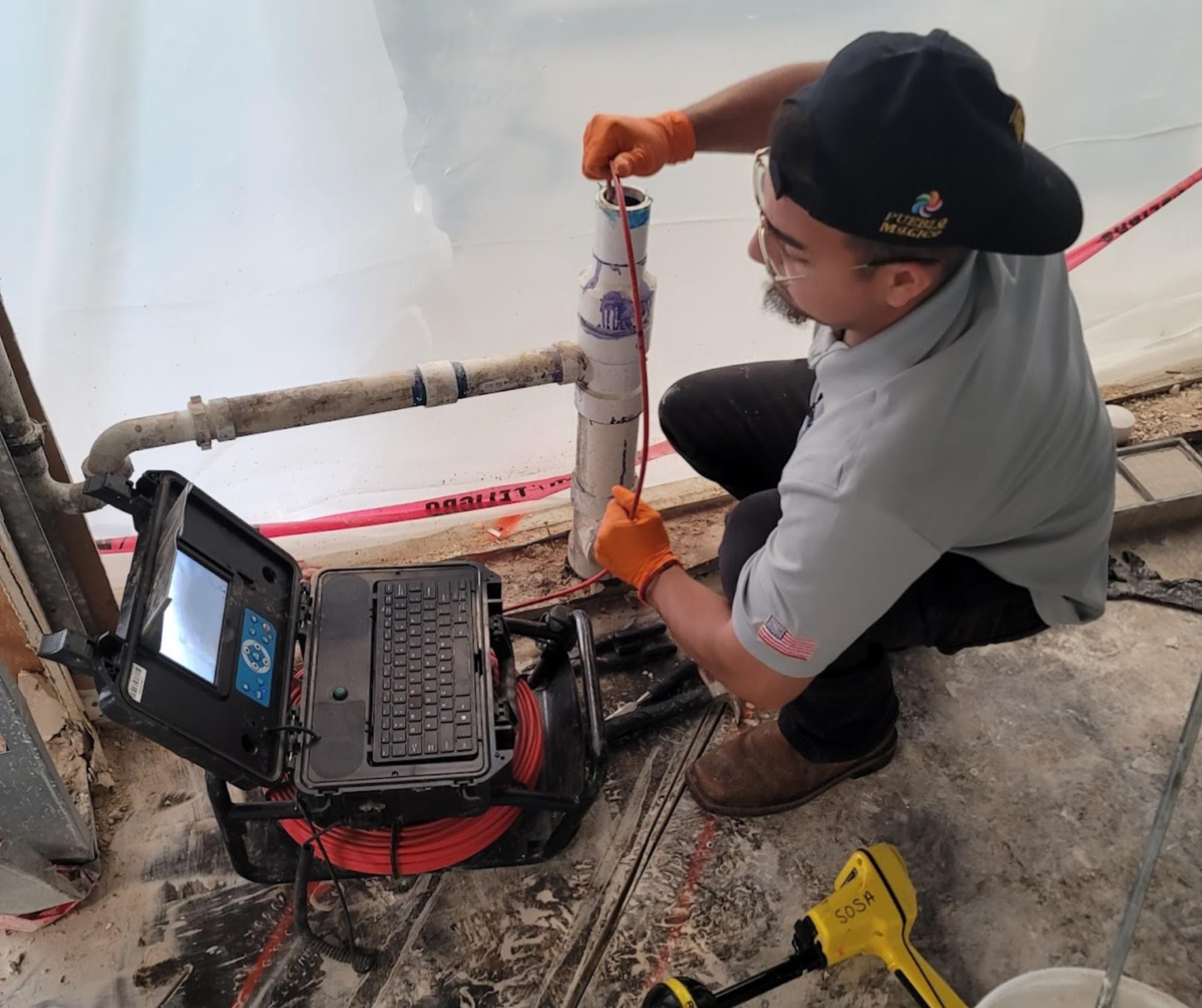
- Sewer camera inspections: Video documentation for owner approvals and insurance claims.
- Repiping strategies: Phased repipes to limit unit downtime and control cash flow.
- Backflow testing and repairs: For irrigation and commercial mixed-use assets.
- Commercial restrooms and common-area plumbing: ADA compliance checks and high-traffic fixture choices.
When a partner can do all this, your coordination time plummets—and your portfolio benefits.
How to Vet a Trusted Sosa Plumbing Company: A Manager’s Checklist
Selecting a partner is part procurement, part risk management, and part tenant retention strategy. Use this checklist when evaluating a Sosa Plumbing Company Georgetown contender or another qualified provider:
- Licensing and insurance certificates current and verified
- Written SLAs for response times and scope definitions
- Dedicated account manager or dispatcher for your portfolio
- Digital work orders with photo documentation
- Flat-rate price book and transparent surcharge policies
- After-hours and emergency process in writing
- Technician training programs and certification levels
- References from local property managers with similar assets
- Capacity for multi-unit scheduling and on-site coordination
- Warranty policy on labor and supplied parts
- Preventive maintenance program with calendar and reminders
If a vendor checks 80–90 percent of these boxes, you’re on track. If they’re strong on repair skills but weak on documentation, press for templates and reporting standards before signing.
Portfolio Optimization: Using Data to Prevent Repeat Plumbing Failures
Your maintenance software holds gold. Combine it with your plumber’s reports and you’ll see patterns you can act on.

Data points to track:
- Unit-by-unit call frequency and types (leaks, clogs, no hot water)
- Time-of-year spikes (holiday grease clogs, winter pipe issues)
- Parts and fixtures with abnormal failure rates
- Average response and completion times
- Repeat visits within 30–60 days per issue type
- Total spend by building and normalized per unit
Turn insights into action:
- If Building B has frequent backups, schedule a quarterly camera and jetting plan.
- If Model X faucet leaks often, standardize on Model Y when replacements are needed.
- If after-hours calls spike during freezes, improve insulation and tenant education.
This is where an experienced plumber sosa plumbing services Georgetown–level partner proves their value: they don’t just fix; they help you plan.
A Practical Maintenance Calendar Template for Georgetown Managers
Here’s a simple annual framework you can adapt. Share it with your plumbing partner.
- January–February: Freeze-readiness review, pipe insulation checks, vacant unit winterization.
- March–April: Water heater flushes, backflow testing, irrigation system checks.
- May–June: Kitchen drain maintenance ahead of summer move-ins; laundry hose inspections.
- July–August: Mid-year audit—top 5 failure trends and mitigation tasks.
- September–October: Pre-winter inspection; seal exterior penetrations; hose bib covers distribution.
- November–December: Tenant education push on clogs and freeze protocol; restock common parts.
Tie this schedule to internal service levels. Track completion with timestamps and notes.
Communication That Calms: Scripts and Tips for Tenant Interactions
Great plumbing vendors make you look great. Equip them—and your team—with language that sets expectations and builds trust.
Quick scripts:
- During emergency: “We’ve dispatched a licensed technician with a 45-minute ETA. If safe, please turn the main valve clockwise to shut off water. We’ll update you upon arrival.”
- For planned outages: “Water will be off from 10 a.m. to 12 p.m. while we replace the failing shutoff. We’ll notify you as soon as service is restored.”
- Post-service summary: “We replaced the faulty fill valve, verified no leaks, and tested operation three times. Please contact us if you notice any new issues.”
Tone matters—calm, clear, and respectful. Empower your vendor to use similar language, and complaints will drop.
Capital Planning: When Repairs Become Replacements
Knowing when to stop repairing is an art. Use lifecycle and failure data, then present options to owners with transparency.
Rules of thumb:
- Water heaters: Consider replacement at 10–12 years for tank models, earlier if sediment or corrosion escalates.
- Polybutylene or galvanized pipes: Plan phased repipes to avoid catastrophic failures.
- Shutoff valves older than a decade: Proactive replacement, especially in units with limited access.
- Recurring clogs in cast iron: Combine descaling and lining discussions with camera proof and cost comparisons.
Present a table with:
- Current issue
- Short-term fix cost
- Full replacement cost
- Risk of failure if deferred
- Projected 3–5 year cost of both paths
Owners appreciate a reasoned recommendation that respects their cash flow while mitigating risk.
Training Techs and Tenants: The Two-Front Prevention Strategy
Your plumber can train your maintenance team on:
- Locating and operating main and unit shutoffs
- First-response leak containment
- Recognizing early signs of sewer backup
- Proper use of enzymatic cleaners vs harsh chemicals
- Reading basic pressure and temperature values
Meanwhile, tenants can learn:
- What not to flush or pour down drains
- How to report issues early (slow drains, small leaks)
- Freeze prevention steps
- How to shut off under-sink valves in an emergency
A single 30-minute annual training and a few handouts can cut avoidable calls by 20–30 percent.
Digital-First Plumbing: How Technology Boosts Reliability
Expect your plumbing partner to offer more than a truck and a wrench. A digital-first approach enhances speed and transparency.
Look for:
- Online portals for managers and tenants
- SMS updates and live technician tracking
- Photo and video documentation embedded in invoices
- Asset tagging for water heaters and shutoff valves
- QR codes in mechanical rooms linking to service history
- Smart leak sensors and water shutoff systems where justified
This isn’t gadgetry for its own sake. It’s about better decisions, faster service, and fewer headaches.
Risk Management and Insurance: Documentation That Pays You Back
When water damage occurs, your insurer and owners will want proof:
- When was the issue reported?
- What mitigation steps were taken and when?
- What was the cause and what’s the documentation?
- Were code and manufacturer guidelines followed?
Require your plumbing partner to capture:
- Timestamped photos and readings
- Moisture and relative humidity data
- Material lists and model/serial numbers
- A mitigation timeline
- Tenant acknowledgments when relevant
Clean documentation accelerates claims and protects your reputation.
Vendor Fit: Culture, Capacity, and Consistency
Choosing the best sosa plumbing services Georgetown tx–aligned provider isn’t just about what they can do; it’s about how they do it.
- Culture: Are they respectful, punctual, and transparent?
- Capacity: Can they scale to your busiest months and multiple addresses?
- Consistency: Do they send trained techs who know your properties?
- Collaboration: Do they adapt to your workflows and software?
When a vendor fits your culture, you’ll feel it in fewer escalations and stronger tenant feedback.
Case Snapshot: From Reactive Chaos to Planned Control
A 120-unit property saw chronic drain emergencies, especially during holidays. By implementing quarterly hydro-jetting for main lines, tenant education on grease disposal, and kitchen P-trap cleaning rotation, emergency calls dropped by 45 percent in one year. With standardized fixture replacements in older units, maintenance costs on faucets and fill valves fell by 28 percent. Documentation improved, claim approvals sped up, and resident satisfaction scores rose.
The lesson? Focused, predictable care beats sporadic heroics.
Procurement Tips: Contracts, SLAs, and Pricing That Work for Managers
Before you finalize a plumbing company Georgetown sosa services agreement, secure the essentials:
-
Service Level Agreements:
-
Emergency response within 60 minutes
-
Priority response within 24 hours
-
Routine within 72 hours
-
Pricing:
-
Flat diagnostic fees with credit if work proceeds
-
Volume discounts for multi-unit same-day visits
-
After-hours policies stated clearly
-
Warranty periods on labor and supplied parts
-
Reporting:
-
Work order summaries with photos
-
Code compliance notes and recommendations
-
Annual portfolio review meeting
-
Term and Exit:
-
30-day termination clause
-
Data handoff format for service histories
These elements reduce surprises and align expectations.
Sustainability and Water Stewardship in Georgetown Properties
Water is precious. Efficient systems can lower bills, protect infrastructure, and support community goals.
Steps you can take:
- Install WaterSense fixtures and aerators
- Use leak detection sensors in high-risk units
- Maintain proper water pressure to prevent fixture wear
- Educate tenants on reporting drips and running toilets
- Consider recirculation systems with timers for larger properties
- Track water usage per building to spot anomalies early
Your plumber should help you size, source, and implement upgrades with clear ROI.
Red Flags: When to Rethink Your Plumbing Vendor
Even a decent vendor might not be right for property management needs. Watch for:
- Late arrivals with no notice
- Sparse documentation and vague invoices
- Recurrent callbacks without root cause resolution
- Inconsistent pricing or hidden fees
- Poor tenant feedback on professionalism
- Lack of familiarity with local codes
If these issues persist after feedback, it’s time to evaluate alternatives.
Coordination Across Trades: Plumbing Plus Restoration, HVAC, and Electrical
Large incidents rarely stay in one lane. A burst pipe can trigger electrical safety checks and drywall restoration. Ask your plumbing partner:
- Do you coordinate with vetted restoration vendors?
- Can you recommend licensed electricians for affected circuits?
- Will you document moisture readings for handoff?
A strong network saves you days and keeps units rent-ready.
Georgetown-Specific Considerations: Climate, Water Quality, and Growth
- Hard water: Accelerates scale in heaters and fixtures. Plan for annual flushes and consider water treatment where justified.
- Freeze events: Rare but severe. Insulation, tenant education, and valve access are critical.
- Rapid growth: New builds and remodels increase demand. Choose a partner with capacity and materials access.
Align your preventive plan with these realities for fewer surprises.
“Sosa Plumbing near me” and the Value of Local Knowledge
Searching for Sosa Plumbing near me or sosa plumbing near me Georgetown isn’t just about speed. It’s about selecting a team that knows your neighborhoods, traffic patterns, permit processes, and common building profiles. Local expertise can slice hours off emergency timelines and reduce misdiagnoses caused by unfamiliarity with regional issues like water hardness or legacy piping in older areas.
Mentioning Sosa Plumbing Services as a familiar, local provider underscores the benefit of a team that’s already fluent in Georgetown’s rhythms—without turning this guide into an ad. Local matters.
Table: Preventive vs. Reactive Plumbing—Cost and Outcome Comparison
| Category | Preventive Approach | Reactive Approach | Outcome Impact | |---|---|---|---| | Water Heaters | Annual flush, anode check, timed replacement at 10–12 years | Run to failure, emergency replacement | Preventive: lower leak risk, planned cost; Reactive: downtime, higher emergency rates | | Drains | Quarterly jetting in prone stacks, enzyme treatments | Clear only after clogs | Preventive reduces backups and after-hours calls | | Supply Lines | Replace every 5–7 years, use braided steel | Replace after leaks | Preventive avoids interior damage and claims | | Shutoff Valves | Upgrade to quarter-turn during service | Leave aging multi-turn valves | Preventive speeds emergency control | | Documentation | Photos, part records, compliance checks | Minimal notes | Preventive speeds claims and owner approvals |
Consistently, preventive strategies lower total cost and stress.
Ask and Answer: Featured Snippet–Friendly Q&A
Q: What should Georgetown property managers look for in a trusted plumbing company? A: Look for verified licensing and insurance, clear SLAs for emergency and routine response, rigorous documentation with photos, local code knowledge, portfolio scheduling capacity, flat-rate pricing transparency, and strong tenant communication.
Q: How often should multifamily drains be serviced to prevent backups? A: For buildings with frequent kitchen use, plan quarterly or semiannual hydro-jetting and routine P-trap maintenance, paired with tenant education to limit grease and debris.
Q: Is preventive plumbing maintenance really more affordable than reactive repairs? A: Yes. Preventive tasks like water heater flushes, supply line replacements, and scheduled drain care reduce leaks, after-hours calls, and interior damage, lowering total cost of ownership.
Q: What’s the fastest way to cut emergency response times? A: Share property-specific emergency sheets with your plumber, including valve maps, gate codes, and contacts; use vendors with dedicated manager portals and live dispatch.
Q: How can I improve tenant satisfaction during plumbing repairs? A: Offer flexible scheduling, provide proactive outage notices, ensure techs maintain clean workspaces, and deliver clear post-service summaries.
Trusted Sosa Plumbing Company for Georgetown Property Managers: Bringing It All Together
The blog title says it plainly: Trusted Sosa Plumbing Company for Georgetown Property Managers. Trust is earned through process, performance, and partnership. Whether you manage twenty single-family homes or a portfolio of multifamily communities, your plumbing strategy should include:
- A vetted local partner with property management expertise
- A documented preventive maintenance plan and calendar
- Clear SLAs and transparent pricing
- Strong tenant communication practices
- Data-informed decisions and capital planning
- Comprehensive documentation for compliance and insurance
Mentioning a team like Georgetown Sosa Plumbing Services simply highlights how localized expertise and portfolio-minded operations unlock wins for managers and owners alike. Choose a partner who matches your standards—and hold them, and yourself, accountable.
Practical How-To: Setting Up Your First 90-Day Plumbing Program
Week 1–2:
- Audit current vendors, contracts, and response times
- Collect water heater ages and model lists across units
- Map main and unit shutoff valves; build emergency sheets
Week 3–4:
- Select a trusted sosa plumbing company or comparable local partner
- Agree on SLAs, pricing, and documentation standards
- Schedule initial inspections for 10–20 percent of units to benchmark
Month 2:
- Begin water heater flushes and supply line replacements where needed
- Launch drain maintenance in known problem stacks
- Start tenant education campaign on clogs and freeze prevention
Month 3:
- Review data from first wave of work orders
- Adjust preventive schedule based on findings
- Present a capital plan for aging components to owners
This 90-day sprint creates momentum and early wins that build owner buy-in.
Mini-Guide: Tenant-Facing Tips You Can Copy and Share
Grease and Drains:
- Let grease cool and dispose of it in the trash, not the sink.
- Use a sink strainer to catch debris.
Toilets:
- Only flush toilet paper; no wipes, even if labeled “flushable.”
- Report running toilets—small fixes save water and prevent leaks.
Freeze Readiness:
- During freeze warnings, keep a slow drip from faucets.
- Open under-sink cabinets to let warm air circulate.
Leaks:
- If you notice a leak, place a bucket underneath and call immediately.
- Know how to turn off under-sink valves in an emergency.
These simple steps can prevent the majority of plumbing emergencies.
Manager FAQ: Georgetown Plumbing for Property Portfolios
1) What’s the ideal response time for an emergency plumbing issue?
- For habitability-impacting issues like active leaks or sewer backups, aim for under 60 minutes. Ensure your vendor codifies this in an SLA.
2) How often should water heaters be replaced in rentals?
- Tank models typically last 10–12 years with maintenance. Factor in water hardness and usage. Proactive replacement reduces leak risk and tenant downtime.
3) Can I standardize fixtures across multiple properties?
- Yes, and you should. Standardization simplifies parts inventory, speeds repairs, and reduces total costs. Work with your plumber to pick durable, cost-effective models.
4) How do I reduce after-hours call volume?
- Preventive maintenance, tenant education, accessible shutoff valves, and seasonal reminders are key. Also ensure clear reporting channels for early warnings.
5) What documentation should I demand from my plumber?
- Before-and-after photos, part and model numbers, code compliance notes, timestamps, moisture readings for leaks, and clear diagnostic summaries.
A Note on Local Providers
You’ll occasionally see a reference to Sosa Plumbing Services in this guide, as an example of a local provider familiar with Georgetown property management needs. The inclusion is practical, not promotional: a “Sosa Plumber” familiar with Georgetown’s housing stock, codes, and traffic realities can simply execute faster, communicate better, and document smarter. That’s what you’re looking for—whether you ultimately choose a Sosa Plumbing Company Georgetown partner or another qualified local team.
Conclusion: Your Playbook for Reliable, Cost-Smart Plumbing Management
Let’s wrap with the essentials. Reliable plumbing for managed properties isn’t luck—it’s design. When you implement a preventive plan, choose a portfolio-savvy partner, insist on documentation, and educate tenants, you transform plumbing from a stressor into a strength. You cut surprise costs, elevate tenant satisfaction, and present owners with a clear, professional strategy.
If the phrase “Trusted Sosa Plumbing Company for Georgetown Property Managers” resonates, it’s because it captures the standard you should set: consistent, documented, transparent service that protects people, properties, and profits. Whether you search for sosa plumbing near me Georgetown, Georgetown Sosa Plumbing Services, or a trusted sosa plumbing company by another name, use the frameworks in this guide to choose well and manage with confidence.
Your next step? Build the 90-day plan, codify your SLAs, and schedule your first round of inspections. The sooner you start, the sooner emergencies become exceptions—and trust becomes your competitive edge.