
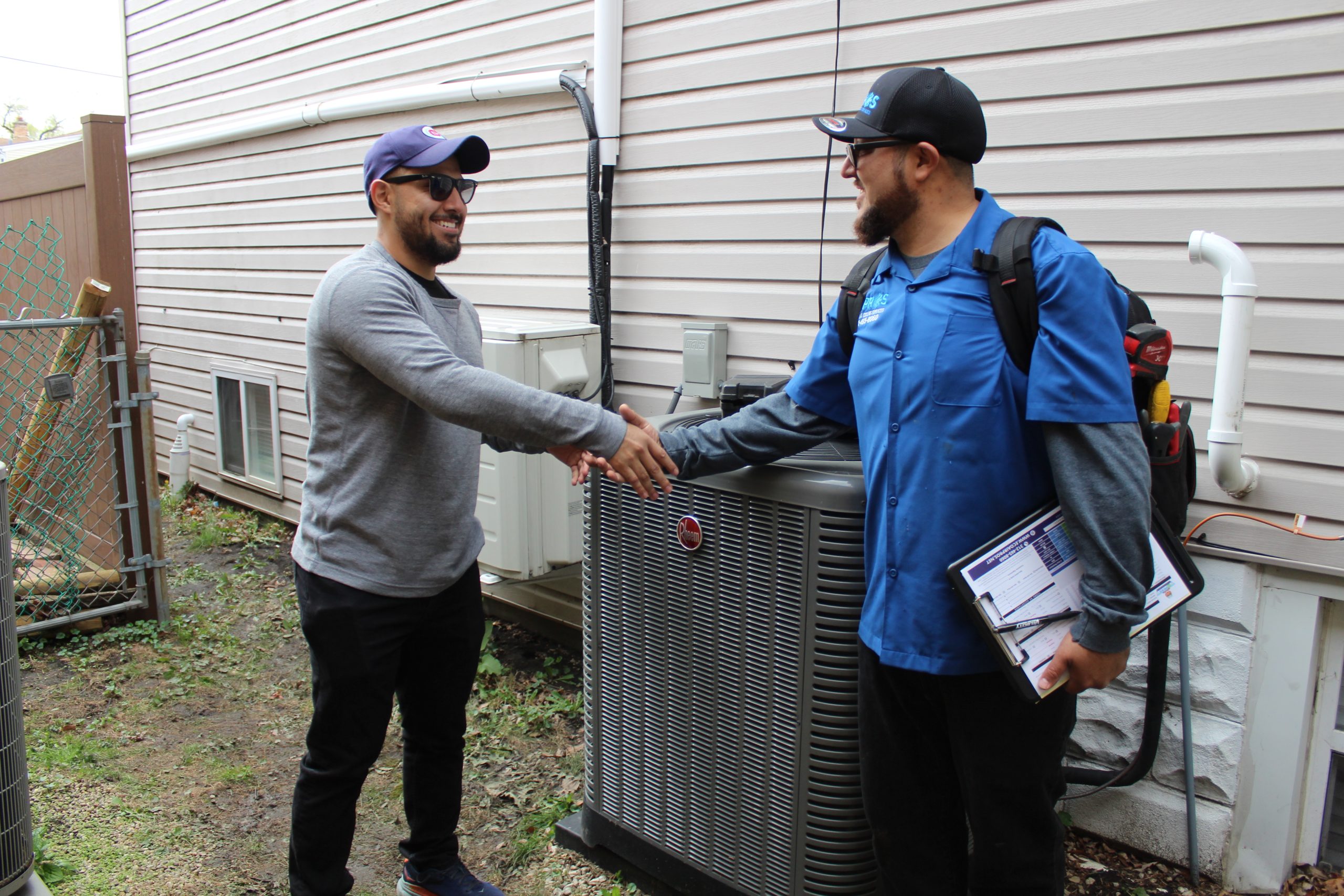
Efficient Heating & Cooling Solutions for Elmwood Park, IL Homes
Efficient Heating & Cooling Solutions for Elmwood Park, IL Homes
When the temperature swings in Chicagoland, your home should feel like a sanctuary. In Elmwood Park, IL, that means turning to heating and cooling solutions that are efficient, reliable, and tailored to your home’s distinct needs—from vintage bungalows to newly renovated multi-family buildings. Whether you’re battling lake-effect chills or muggy August afternoons, getting HVAC right is about comfort, savings, and long-term value. In this comprehensive guide, we’ll unpack the smartest ways to optimize your indoor climate, reduce energy bills, and extend the life of your system—without sacrificing comfort or quality.
You’ll find practical strategies, expert insights, a deep dive into local considerations, and clear answers to common questions. This guide is structured to help you plan, compare, and make decisions with confidence, based on the best practices we’ve learned from working with Elmwood Park homeowners and properties across the region.
Let’s get you comfortable—efficiently.
Heating anc Air Conditioning in Elmwood Park, IL,HVAC Company Elmwood Park, IL,HVAC Contractor Elmwood Park, IL,Heating & Cooling,Air Conditioning,Heating
Elmwood Park homeowners face a predictable challenge: winter can be brutally cold and summer can be uncomfortably humid. That means your system must do more than just heat and cool. It must maintain indoor air quality, control humidity, and run efficiently even during temperature extremes.
Here’s what matters most right now for Heating & Cooling in Elmwood Park:
- Energy efficiency: High-efficiency furnaces, heat pumps, and air conditioners that lower monthly bills while maintaining performance.
- Smart controls: Wi‑Fi thermostats and zoning that adapt to your schedule and preferences.
- Indoor air quality (IAQ): Filtration, purification, and humidity management tailored to Midwest conditions.
- Sizing and ductwork: Correct load calculations and airflow balance so every room gets the comfort it needs.
- Local expertise: A reputable HVAC Company Elmwood Park, IL homeowners can trust for accurate installations, transparent pricing, and fast service.
If you’re comparing options, a seasoned HVAC Contractor Elmwood Park, IL residents rely on will always start with a manual load calculation, examine your ductwork, and consider your home’s insulation and window performance. Without that, even the best equipment can underperform.
Pro tip: Ask your contractor to provide equipment efficiency ratings (AFUE, SEER2, HSPF2) and explain what those mean for your exact square footage and usage. The right combination of equipment and settings can reduce seasonal energy costs by 10–30 percent.
Efficient Heating & Cooling Solutions for Elmwood Park, IL Homes
Elmwood Park is unique: tree-lined streets, sturdy masonry, a blend of older homes and updated builds, and four seasons that push your HVAC system. Efficient Heating & Cooling Solutions for Elmwood Park, IL Homes are about balancing performance, comfort, and lifecycle cost. That’s why the strategies in this guide are built to help you choose smarter, maintain better, and invest in upgrades that pay off.
Why do efficient systems matter here?
- Winters are long and heating loads are high; small improvements in efficiency compound over months.
- Summers bring humidity; proper dehumidification prevents mold, preserves finishes, and boosts comfort.
- Energy prices fluctuate; the most efficient solution is the one that keeps you comfortable at the lowest total cost of ownership.
This blog, “Efficient Heating & Cooling Solutions for Elmwood Park, IL Homes,” delivers a practical framework you can use. Whether you need a new system or want to optimize what you have, our goal is to help you make data-backed decisions that feel great and save money.
Understanding Elmwood Park’s Climate: What Your System Is Up Against
Before you pick equipment, understand the climate realities your HVAC system must handle:
- Winter design temperatures routinely dip below freezing. Heating systems must deliver consistent warmth without short cycling or hot/cold spots.
- Summer swings include high humidity and temperatures in the upper 80s and 90s. Air conditioning must cool and dehumidify effectively at the same time.
- Shoulder seasons can be unpredictable; smart systems handle mild days efficiently without wasting energy.
Key performance considerations:
- Heat load vs. heat loss: In older brick homes, heat loss through windows and masonry can be significant. Air sealing and insulation can sometimes yield more comfort per dollar than a major equipment upgrade.
- Humidity control: Your AC is also your dehumidifier. Systems with variable-speed blowers and two-stage or inverter compressors do a better job at wringing moisture from the air.
- Zoning: Many Elmwood Park homes benefit from zoning due to layout (basement, main floor, second story). Zoning reduces energy waste and solves the “too hot upstairs, too cold downstairs” issue.
Quick rule of thumb: Don’t oversize. It’s tempting in a cold climate, but oversized furnaces and AC units short cycle, waste energy, and reduce comfort. A qualified HVAC Contractor Elmwood Park, IL homeowners trust will use Manual J load calculations to size correctly.
Heating Options That Make Sense for Elmwood Park Homes
Heating is non-negotiable here. Your choices boil down to gas furnaces, electric heat pumps (including cold-climate models), dual-fuel systems, or boilers with radiators/baseboard.
-
Gas Furnaces
-
Efficiency: Look for 95–98% AFUE models.
-
Best for: Homes with existing ductwork and natural gas service.
-
Benefits: Powerful heat, reliable, affordable to operate when gas prices are favorable.
-
Consider: Variable-speed blowers and two-stage or modulating gas valves for consistent warmth and quiet operation.
-
Cold-Climate Heat Pumps
-
Efficiency: High HSPF2 ratings; maintain heating capacity at low outdoor temperatures with advanced compressors.
-
Best for: Electrification goals, homes without gas, or as a supplement to a gas furnace.
-
Benefits: Heating and cooling from one unit, excellent dehumidification in summer, potential rebates.
-
Consider: Pair with a backup heat source for extreme cold snaps if needed.
-
Dual-Fuel Systems
-
What it is: A heat pump paired with a gas furnace; the system switches to the most efficient fuel based on outdoor temperature.
-
Benefits: Best-of-both-worlds efficiency, excellent comfort year-round.
-
Consider: Smart controls are essential for optimal switching.
-
Boilers and Radiators
-
Best for: Homes with existing hydronic systems that you love (many Elmwood Park homes do).
-
Benefits: Even, comfortable heat; quiet; less airborne dust.
-
Consider: Add ductless mini-splits or a small ducted system for air conditioning and shoulder-season heating.
What’s the most efficient heating choice? Often, it’s a dual-fuel system or a high-efficiency gas furnace with variable-speed airflow. But the winner depends on your home’s envelope, utility rates, and lifestyle.
Air Conditioning Choices That Do More Than Cool
Cooling in Elmwood Park is about moisture as much as temperature. Systems that linger longer at lower speeds excel at dehumidification and comfort.
Top options:
-
Central AC with Variable-Speed Blower
-
Benefits: Better moisture removal, quieter, fewer hot spots.
-
Pair with: Two-stage or inverter-driven compressor when possible.
-
Ductless Mini-Splits
-
Best for: Additions, attics, sunrooms, or homes without ductwork.
-
Benefits: Zoned comfort, high efficiency, excellent dehumidification, heating in shoulder seasons.
-
Consider: Great complement to hydronic heating systems.
-
Heat Pump as Primary AC
-
Benefits: Provides cooling plus highly efficient heating in spring/fall, and even winter with cold-climate models.
-
Consider: Electrification incentives may improve ROI.

Don’t overlook the coil. A well-matched indoor coil is crucial to efficiency and dehumidification. Ask your HVAC Company Elmwood Park, IL provider to show the matched system ratings (AHRI certificate) so you know the performance is verified.
Ductwork, Airflow, and the Hidden Efficiency Levers
Even the best equipment struggles with bad ductwork. Elmwood Park homes—particularly older ones—often have undersized returns, leaky ducts, or unbalanced airflow.
Here’s how to fix it:
- Perform a duct leakage test. Sealing can improve system efficiency by 10–20 percent.
- Add returns in closed-off rooms to equalize pressure and reduce drafts.
- Right-size supply and return trunks; avoid restrictive flex duct runs.
- Balance airflow to each room with dampers and proper register placement.
Airflow is measured in CFM (cubic feet per minute). Your contractor should verify static pressure and airflow after installation. If they can’t show you those numbers, you can’t be sure the system is running efficiently.
Smart Thermostats, Zoning, and Controls That Pay Off
Comfort control has come a long way. Smart solutions save energy, reduce wear, and make living easier.
-
Smart Thermostats
-
Features: Learning schedules, geofencing, remote access, energy reports.
-
Savings: Typically 8–12 percent on heating and 10–15 percent on cooling.
-
Zoning Systems
-
What it does: Divides your home into zones with independent temperature control.
-
Best for: Multi-story homes, additions, rooms with different solar exposure.
-
Outcome: Stable comfort, less energy waste.
-
Advanced Dehumidification Modes
-
Description: Variable-speed systems can slow airflow to pull more moisture from the air.
-
Benefit: Cooler feels cooler when humidity drops; often allows higher setpoints with the same comfort.
-
Ventilation Controls
-
Why: Fresh air without excessive energy loss.
-
Solution: ERVs/HRVs that exchange air while recovering heat and humidity.
Ask your HVAC Contractor Elmwood Park, IL pro to set up thermostat staging and dehumidification settings at installation. It’s a small step with big comfort and efficiency benefits.
Insulation, Air Sealing, and Windows: The Non-HVAC HVAC Upgrades
You can’t talk efficiency without talking building envelope. Many Elmwood Park properties, especially older brick homes, benefit enormously from:
- Attic insulation: Aim for at least R-49.
- Air sealing: Close gaps around penetrations, rim joists, and top plates.
- Window upgrades or weather-stripping: Low-E windows or storm windows can significantly cut heat loss.
- Basement and crawl space sealing: Reduces drafts, moisture issues, and heat loss.
These upgrades reduce the load on your HVAC system, often enabling a smaller, less expensive unit—and lower bills forever.
Tip: Coordinate envelope upgrades before a new system install. It ensures proper sizing and maximizes efficiency.
Indoor Air Quality in Elmwood Park: Health, Humidity, and Clean Air
IAQ isn’t a luxury; it’s essential. With seasonal allergies, winter dryness, and summer humidity, a layered approach works best:
- Filtration: Upgrade to MERV 11–13 filters if your system’s static pressure allows.
- Whole-home humidifiers: Keep winter humidity at 30–40 percent to prevent dry air discomfort and protect wood finishes.
- Dehumidification: In summer, aim for 45–55 percent relative humidity. Your AC can do most of the work; consider a whole-home dehumidifier in problem cases or basements.
- Air purifiers: UV-C or bipolar ionization can help reduce certain airborne contaminants; verify third-party testing and avoid ozone-producing models.
- Ventilation: Balanced ventilation (ERV/HRV) keeps air fresh without large energy penalties.
Q: What’s the ideal indoor humidity year-round? A: Generally 30–50 percent. In winter, 30–40 percent to prevent condensation and ice on windows; in summer, 45–55 percent for comfort and mold prevention.
How to Choose the Right HVAC Company Elmwood Park, IL Residents Can Trust
Choosing the right partner is half the battle. Here’s a simple checklist:
You don’t have to be an expert; your HVAC Contractor Elmwood Park, IL professional should educate, not pressure. Ask them to compare two or three system tiers with lifetime ownership costs, not just the upfront price.
A note on local expertise: Companies familiar with Elmwood Park’s housing stock understand the ductwork quirks, older electrical panels, and building permit requirements. That knowledge saves time and headaches.
Eco Air Pros Heating and Cooling is one example of a local provider recognized for thorough load calculations and matched-system installations. While you should always compare quotes, working with a trusted neighborhood team can be a practical advantage.
Cost vs. Value: Making Smart HVAC Investments
When you’re deciding between “good,” “better,” and “best,” think total cost of ownership and comfort ROI:
- Upfront equipment cost
- Installation quality and necessary ductwork improvements
- Energy usage over 10–15 years
- Maintenance costs
- Potential rebates and incentives
- Resale impact and buyer appeal
Typical upgrade paths:
- Entry efficiency: Single-stage furnace and AC with smart thermostat. Budget-friendly; decent comfort.
- Mid-tier: Two-stage furnace with variable-speed blower and two-stage AC or heat pump. Significant comfort boost; better dehumidification and quieter operation.
- Premium: Modulating furnace/inverter heat pump with zoning and IAQ upgrades. Highest comfort; lower lifetime costs in many cases.
Pro move: Allocate part of your budget to duct sealing, additional returns, and envelope improvements. A well-installed mid-tier system with airflow and insulation dialed in often outperforms a premium unit installed on leaky ducts.
Decoding Efficiency Ratings: AFUE, SEER2, HSPF2, EER2
Understanding ratings ensures apples-to-apples comparisons:
- AFUE (furnaces): Annual Fuel Utilization Efficiency. 96% AFUE means 96% of fuel becomes heat.
- SEER2 (AC/heat pumps): Seasonal Energy Efficiency Ratio under updated, stricter testing. Higher is better.
- EER2: Efficiency at a single high-temperature point; helpful for peak performance comparison.
- HSPF2 (heat pumps): Heating Seasonal Performance Factor. Higher is better for winter performance.
Ask for the AHRI certificate showing the indoor and outdoor units’ matched ratings. That’s the verified performance you can expect—critical in Elmwood Park’s climate.
Electrification and Heat Pumps in Cold Weather: Does It Work Here?
Short answer: Yes, with the right equipment and design.
Cold-climate heat pumps have improved dramatically, delivering reliable heat at low outdoor temperatures. Pairing with a gas furnace (dual-fuel) can optimize costs and comfort by switching to the most efficient source based on temperature and utility rates.
Key success factors:
- Proper sizing to avoid auxiliary electric heat kicking in unnecessarily.
- High-performance, inverter-driven compressors.
- Tight building envelope to reduce heat loss.
- Smart controls with outdoor temperature lockouts for fuel switching.
If you’re curious, ask your contractor to model your annual operating cost for three scenarios: gas furnace + AC, cold-climate heat pump, and dual-fuel. The numbers often surprise people.
What to Expect During a Professional Installation
A great installation is methodical and measured. Your experience should look like this:
- Pre-install walkthrough: Confirm scope, safety, and protection of your home.
- Removal and prep: Careful removal of old equipment; duct modifications as needed.
- Placement and leveling: Critical for condensate drainage and compressor longevity.
- Refrigerant lines: Proper sizing, nitrogen purging during brazing, and triple evacuation.
- Electrical and controls: Clean, labeled wiring; breaker and disconnect checks.
- Condensate management: Traps, pumps, and safeties to prevent leaks.
- Commissioning tests: Static pressure, airflow, refrigerant charge, temperature split, and combustion analysis for furnaces.
- Owner orientation: Filter types, thermostat setup, maintenance schedule.
If you don’t receive a commissioning report, ask for one. It’s your assurance the system is operating within specifications.
Maintenance That Extends Life and Cuts Costs
You wouldn’t skip oil changes in your car. Don’t skip HVAC maintenance.
- Twice-yearly tune-ups: One before cooling season, one before heating season.
- Filter changes: Every 1–3 months, depending on filter type and household factors.
- Coil cleaning: Evaporator and condenser coils kept clean for efficiency.
- Drain line checks: Clear condensate lines prevent water damage.
- Combustion analysis: Ensures safe and efficient furnace operation.
- Electrical checks: Tighten connections; inspect capacitors, contactors, and motors.
Benefits you’ll feel:
- Lower utility bills
- Fewer breakdowns
- Longer system life
- Better air quality
- Stable comfort in all rooms
Many local providers offer maintenance plans. Choose one that includes priority service, discounts on repairs, and documented performance checks. Eco Air Pros Heating and Cooling, for example, provides seasonal inspections designed to catch small issues before they become major repairs.
Troubleshooting Common Heating & Cooling Problems in Elmwood Park
Before calling for service, try these quick checks:
-
System won’t start?
-
Verify thermostat mode and settings.
-
Check breaker panel and furnace switch.
-
Replace or clean the air filter.
-
Uneven temperatures?
-
Open closed registers; ensure returns aren’t blocked.
-
Replace filter; clogged filters reduce airflow.
-
Ask for a duct balancing check if persistent.
-
AC not cooling well?
-
Clean outdoor condenser coils with gentle water spray.
-
Ensure outdoor unit has 2–3 feet of clearance.
-
Set thermostat to “Auto,” not “On,” to improve dehumidification.
-
Furnace short cycling?
-
Check filter and registers.
-
Verify vents and flues are clear of snow or debris.
-
Call for service if issue persists; could be a limit switch, flame sensor, or sizing problem.
When in doubt, shut down the system and call a professional, especially if you smell gas or see water pooling near the furnace or air handler.
Energy-Saving Tips That Work in Elmwood Park
Simple habits and small upgrades add up:
- Program setpoints: 68–70°F heating, 74–76°F cooling as a starting point. Adjust for comfort.
- Use ceiling fans: Clockwise in winter (low speed) to push warm air down; counterclockwise in summer for a wind-chill effect.
- Seal doors and windows: Weather-strip and caulk to reduce drafts.
- Shade and blinds: Close during peak sun in summer; open for passive heating in winter.
- Water heater settings: 120°F is usually sufficient and saves energy.
- Laundry and dishwashing: Run during off-peak hours if your utility offers time-of-use rates.
Coupling these with an efficient system compounds savings over time.
Financing, Rebates, and Incentives: Lower the Upfront Cost
Many homeowners are pleasantly surprised by the savings available:
- Utility rebates for high-efficiency furnaces, ACs, and heat pumps.
- Federal tax credits for qualifying heat pumps and efficiency upgrades.
- Manufacturer promotions during off-peak seasons.
- Low-interest financing through installers or third parties.
Action plan:
This step alone can shave hundreds to thousands off your project cost.
Safety First: Carbon Monoxide, Gas Lines, and Electrical Considerations
Heating equipment must be safe by design and by maintenance:
- Install CO detectors on every floor and near sleeping areas.
- Test detectors twice yearly; replace per manufacturer guidelines.
- Have combustion appliances tested for proper draft and CO levels.
- Keep clearances around furnaces and water heaters as specified.
- Verify drip legs and proper sediment traps on gas lines.
- Ensure a proper electrical disconnect at the outdoor unit and appropriate circuit protection.
If you ever suspect a gas leak, evacuate and call your utility immediately.
Property Types in Elmwood Park: Tailored Solutions
-
Classic Bungalows and Brick Two-Flats
-
Likely needs: Duct sealing, added returns, smart thermostats, possibly mini-splits for top-floor comfort.
-
Ideal systems: Two-stage furnace with variable-speed blower; inverter AC or heat pump.
-
Apartments and Multi-Family
-
Consider: Individual zoning or ductless for each unit, ERV ventilation, simplified maintenance access.
-
Newer Renovations
-
Opportunity: Tight envelope supports smaller, ultra-efficient systems; consider dual-fuel or cold-climate heat pumps.
-
Basements and Attics
-
Basements: Dehumidification and proper supply/return balance.
-
Attics: Spray foam or blown-in insulation plus sealed ductwork; ductless for finished spaces.
Designing to the home’s architecture improves comfort and reduces energy waste.
Preventing Moisture Problems: The Humidity Playbook
Elmwood Park basements and bathrooms can be moisture hotspots. Control strategies:
- Whole-home dehumidifier in damp basements.
- Bath fans vented outdoors, run on timers or humidity sensors.
- Kitchen range hoods that exhaust outside.
- Proper grading and downspout extensions to keep water away from the foundation.
- Maintain indoor RH between 30 and 50 percent.
Keeping moisture in check protects your home’s structure and your family’s health.
Noise, Vibration, and Comfort: The Quiet Home Checklist
No one wants a roaring furnace or a rattling outdoor unit:
- Choose variable-speed blowers and inverter compressors for quiet operation.
- Isolate outdoor units on proper pads; consider anti-vibration mounts.
- Use lined plenums or acoustical duct treatments if needed.
- Balance airflow to avoid whistling registers and rattling returns.
A quiet system feels more luxurious and indicates proper installation.
Sustainability Without Sacrifice
You can go greener without giving up comfort:
- High-efficiency equipment lowers emissions and bills.
- Heat pumps reduce reliance on fossil fuels, especially with cleaner grid mix.
- Smart controls cut waste.
- Regular maintenance keeps systems running at peak efficiency.
If sustainability is a priority, discuss dual-fuel strategies, heat pump water heaters, and ERVs with your HVAC Company Elmwood Park, IL specialist.
How to Compare Proposals Like a Pro
Use this side-by-side checklist:
- Equipment model numbers and AHRI matched ratings
- Efficiency ratings (AFUE, SEER2, HSPF2)
- Ductwork modifications, sealing, and returns included?
- Thermostat and control details
- IAQ add-ons (filters, humidifier, ERV/HRV)
- Permits and inspections
- Labor and manufacturer warranties
- Commissioning and performance verification
- Maintenance plan options
- Total installed cost and financing/rebates
Pick the proposal that maximizes verified performance and lifetime value—not just the lowest price.
Seasonal Strategies: What to Do and When
-
Early Spring
-
AC tune-up; coil cleaning; confirm drain lines clear.
-
Test thermostat cooling modes and Wi‑Fi connectivity.
-
Early Summer
-
Check outdoor clearances; trim vegetation.
-
Set dehumidification parameters.
-
Early Fall
-
Furnace tune-up; combustion analysis; check heat exchanger.
-
Replace humidifier pads and test solenoids.
-
Mid-Winter
-
Keep intake and exhaust vents clear of snow and ice.
-
Replace filters more frequently during heavy use.
Planning ahead avoids peak-season delays and surprises.
Myths and Misconceptions About Heating & Cooling
-
Bigger is better.
-
Reality: Oversizing wastes energy and reduces comfort.
-
Closing vents in unused rooms saves money.
-
Reality: It often increases system pressure and reduces efficiency.
-
Heat pumps don’t work in cold climates.
-
Reality: Modern cold-climate models work very well when designed correctly.
-
Set the thermostat higher/lower to heat/cool faster.
-
Reality: Your system delivers at a fixed rate; you just overshoot your setpoint.
-
Maintenance is optional.
-
Reality: It’s essential for efficiency, safety, and longevity.
Quick Reference: Efficiency Upgrades and Their Impact
| Upgrade | Typical Impact | Comfort Benefit | Notes | | --- | --- | --- | --- | | Duct sealing and balancing | 10–20% energy savings | Eliminates hot/cold spots | Great ROI in older homes | | Variable-speed blower | Lower energy, quieter | Even temperatures | Works best with proper ducts | | Two-stage/inverter AC | Improved SEER2, humidity control | Fewer temperature swings | Better summer comfort | | Smart thermostat | 8–12% heat, 10–15% cool savings | Convenience, insights | Pair with zoning for more | | Attic insulation | Major heating savings | Warmer upstairs | Do before sizing equipment | | Whole-home dehumidifier | Reduced AC runtime | Dry, comfortable air | Especially useful for basements | | ERV/HRV ventilation | Better IAQ | Fresh air without drafts | Balanced ventilation wins |
Case-Style Scenarios: What Works Best?
-
Scenario 1: Brick Bungalow with Hot Upstairs
-
Solution: Add return on second floor, two-stage furnace with variable-speed blower, smart thermostat with remote sensor.
-
Result: Even temperatures, lower gas usage.
-
Scenario 2: Radiator Heat, No Ducts
-
Solution: Ductless mini-splits for AC and shoulder heating; add ERV for fresh air.
-
Result: Quiet cooling, zoned comfort, better IAQ.
-
Scenario 3: Finished Basement Feels Damp
-
Solution: Whole-home dehumidifier tied into return, sealed rim joists, extend downspouts.
-
Result: Dry, comfortable living space, reduced mold risk.
-
Scenario 4: Electrification Goal
-
Solution: Cold-climate heat pump with dual-fuel backup; attic insulation upgrade.
-
Result: Lower emissions, stable bills, high comfort.

Hiring Checklist: Before You Sign
- Did they perform or schedule a Manual J load calculation?
- Did they inspect and measure ductwork static pressure?
- Did they propose duct sealing or additional returns if needed?
- Are equipment model numbers and AHRI ratings listed?
- Are permits, inspections, and code compliance included?
- Is there a clear commissioning process and report?
- What are the labor and parts warranties?
- Is the timeline aligned with your needs?
If any answer is vague, ask for clarification. Trustworthy providers welcome informed questions.
Frequently Asked Questions
Q1: What size HVAC system do I need for my Elmwood Park home? A1: Proper sizing requires a Manual J load calculation that accounts for square footage, insulation, windows, orientation, and infiltration. Avoid rule-of-thumb tonnage; oversizing leads to inefficiency and uneven comfort.
Q2: Are heat pumps a good choice for Elmwood Park’s winters? A2: Yes. Cold-climate heat pumps perform well in low temperatures. Many homeowners choose dual-fuel systems that switch to gas when it’s most efficient, maximizing comfort and minimizing operating costs.
Q3: How often should I replace my air filter? A3: Check monthly and replace every 1–3 months depending on filter type, pets, allergies, and usage. High-MERV filters may require more frequent checks to avoid restricting airflow.
Q4: What’s the best thermostat setting to save money without sacrificing comfort? A4: Start with 68–70°F in winter and 74–76°F in summer. Use smart thermostats to schedule setbacks when you’re away, and adjust based on humidity and personal comfort.
Q5: Do I need annual HVAC maintenance? A5: Yes. Spring AC and fall furnace tune-ups improve efficiency, reduce breakdowns, and ensure safe operation. Maintenance is also often required to keep warranties valid.
Efficient Heating & Cooling Solutions for Elmwood Park, IL Homes: Making It Happen
Efficient Heating & Cooling Solutions for Elmwood Park, IL Homes don’t happen by accident. They’re the result of smart planning, careful installation, and consistent maintenance. Whether you opt for a high-efficiency gas furnace, an inverter-driven heat pump, or a hybrid dual-fuel system, the keys are the same:
- Right-size the equipment using proper calculations.
- Fix airflow and duct issues at the start.
- Use controls that make your system smarter, not harder.
- Keep humidity in the healthy, comfortable range.
- Maintain the system like you mean it.
If you’re ready to explore options, consult a reputable HVAC Company Elmwood Park, IL homeowners trust for local expertise and thorough installations. Eco Air Pros Heating and Cooling is one local name known for precise load calculations and reliable service, but always compare a few proposals to find the best fit for your goals and budget.
Conclusion: Your Path to Comfort, Efficiency, and Peace of Mind
You want a home that feels just right—warm without drafts in January, cool without clamminess in July, and affordable to operate all year. The path is straightforward:
- Start with your home’s envelope: seal and insulate.
- Choose right-sized, efficient equipment matched to your needs.
- Invest in airflow, duct integrity, and smart controls.
- Keep humidity in check for health and comfort.
- Maintain your system to protect performance and warranties.
With the insights in this guide, you can approach Heating & Cooling decisions with confidence. From picking a dependable HVAC Contractor Elmwood Park, IL residents recommend, to understanding the why behind every upgrade, you’re now equipped to make choices that deliver comfort and value for years to come.
Here’s to a home that’s always comfortable and always efficient—no matter what Elmwood Park’s weather throws your way.