
Sosa Plumbing Services Georgetown: Annual Plumbing Inspections
Homes in Georgetown tend to look fine on the surface, then surprise you with a slab leak under the living room or a pinhole spray behind the fridge line. Water does quiet damage. By the time you see a stain, smell mildew, or hear a faint hiss, you’re already paying for it. Annual plumbing inspections are the one habit that changes the math. They catch the hidden stuff, extend equipment life, and keep water bills predictable. After years crawling under pier-and-beam crawlspaces off Williams Drive and tracing slab lines in Sun City, I can say with confidence that a routine once-a-year check is the least expensive plumbing decision a Georgetown homeowner can make.
Sosa Plumbing Services has built a reputation on that philosophy. Whether you searched Sosa Plumbing near me Georgetown because a toilet ran all night, or you’ve used Georgetown Plumber Sosa Plumbing Services for years, the purpose is the same: prevent emergencies, then be ready when they happen. An annual visit gives us a baseline and gives you peace of mind.
What an annual inspection really covers
A thorough inspection touches everything that moves water in or out of the home. The process takes one to two hours in a typical single-family house, longer if we’re documenting older galvanized lines or a complex irrigation tie-in. A good technician doesn’t just glance and go. We test, measure, and record.
Water pressure is the starting point. For Georgetown, municipal supply pressure often ranges from the mid 60s to low 80s psi depending on neighborhood and time of day. Anything above 80 psi is hard on fixtures and can void warranty language on some appliances. We put a gauge on an exterior bib, take a static reading, then a flow reading with a faucet running. If the static pressure is high or swings more than 15 psi between day and night, we evaluate the pressure-reducing valve.
Supply lines and shutoffs come next. Under-sink angle stops in homes older than 12 to 15 years often seize. We exercise every accessible valve, check for corrosion at ferrules and compression joints, and note any braided supply lines with cracked sheathing. Replacing a $12 line today avoids a Saturday flood tomorrow.
Toilets deserve their own chapter. We use dye tests for flappers, check tank-to-bowl bolts, confirm fill valve shutoff, and look for slow seeps that add up to hundreds of gallons a month. Wax seals are inspected where possible by feeling for moisture and movement at the base, then observation for side weeps.
Water heaters tell the story of a home’s maintenance habits. For gas units, we verify draft, test the thermocouple or flame sensor, and check combustion air. Electric units get element resistance checks and thermostat calibration. Sediment is the killer in Central Texas. Without annual flushing, a 50-gallon tank can lose 10 to 15 percent capacity to mineral build-up in five years. We flush until water runs clear, inspect the anode rod if access is realistic, and measure temperature. Most owners are safe and efficient at a setpoint of 120 Fahrenheit.
Drains and traps get a visual and functional test. We run every fixture, watch trap seals, and observe drainage speed. Slow drains aren’t always hair clogs. In slab homes, bellies can form in the drain line that collect grease and debris. We track patterns to decide when to recommend a camera inspection.
Fixtures, from showers to laundry boxes to fridge lines, are checked for slow leaks and proper function. Cartridge faucets that need both strength and finesse to regulate temperature usually have mineral build-up or an internal O-ring degrading. We carry common cartridges and explain options if the brand is discontinued.
Irrigation backflow assemblies in Georgetown should be tested annually for safety and compliance. We verify winterization setups, confirm the double check or RPZ is in good shape, and look at connections to ensure the irrigation line is not pulling back into the home’s potable water during a pressure event.
Finally, we look at the perimeter. Gutters that dump at the foundation, soil that sits high against slab, and spigots that drip into flower beds all contribute to slab movement and foundation stress. It’s not only a plumbing concern, but it affects the life of your lines and the risk of a slab leak.
Why annual beats emergency every time
You can wait until something fails and pick up the phone for emergency plumber sosa Georgetown help at midnight. We’ll come. We keep crews on call because water doesn’t respect business hours. But emergencies force compromises. You pay after-hours rates. You may settle for a fixture that is available instead of the one you want. And you live with water damage, even if we stop it quickly.
Annual inspections shift the timeline. They let you replace brittle supply lines before they burst, plan for a water heater before it dies in winter, and schedule sewer cleaning before a holiday guest list meets a clog. In a year of tracking Sosa Plumbing Company Georgetown service calls, preventive visits cost a fraction of reactive repairs. The quiet savings show up in water bills and fewer insurance claims.
Georgetown’s specific risk factors
Local conditions shape the work. Central Texas water is hard. Mineral content accelerates wear on cartridges, fill valves, and elements. Tank water heaters in our area often show measurable sediment after two to three years without flushing. That’s not fearmongering, just chemistry.
Soil movement is the other culprit. Clay-heavy soils swell when wet and shrink when dry. That motion stresses slab penetrations and copper lines. A slab leak is often a pinhole that grows at an elbow under the kitchen or bath. Geophones and thermal cameras can locate it, but the best play is to minimize soil swings and monitor pressures.
Older housing stock in parts of Georgetown still has galvanized or mixed-metal piping. Dissimilar metals can set up galvanic corrosion, especially at poorly isolated unions. Homes built or remodeled in the 80s and 90s sometimes have flexible supply lines that no longer meet current best practices. Experienced plumber sosa plumbing services Georgetown techs have learned to spot these patterns quickly.
What we test and why it matters
Static and dynamic pressure testing tells you if the system is stressed. High pressure can cause water hammer, premature faucet failure, and leaks at weaker joints. A pressure-reducing valve is a simple fix that protects the entire home.
Temperature checks at fixtures do more than confirm comfort. If you set 120 Fahrenheit at the heater and you’re reading 108 at the master shower after two minutes, you might have a crossover through a failed cartridge, or your recirculation line needs balancing. Hot water delay is not just annoyance, it’s wasted water. We measure wait times and suggest insulation or system adjustments.
Dye tests in toilets reveal leaks too slow to hear. A toilet that trickles can waste hundreds of gallons a week. Multiply that by two or three fixtures, and the water bill tells the story.
Anode rod inspection extends tank life. In our area, anodes often need replacement in the 3 to 5 year range. If the rod is consumed and the tank starts to rust, you’re on borrowed time. We record the rod condition, so you’re not guessing next year.
Drain flow observations catch early sewer issues. Gurgling from a nearby tub when you drain a sink suggests partial blockage or poor venting. If two bathrooms share a line and both run slow, we log it and discuss hydro-jetting versus cabling based on pipe material and condition.
The practical rhythm of an annual visit
Most homeowners prefer a predictable, light-touch appointment. A standard annual with Sosa Plumber techs follows a rhythm: greet, walk the property together, listen to concerns, then test, measure, and service. We record readings and condition notes in a digital record tied to your address. That record prevents the guesswork that frustrates people when multiple plumbers visit over the years.
We schedule around your life. If you need the earliest slot to beat traffic, we aim for that. If you’re searching for Sosa Plumbing near me and want the same technician who serviced you last year, we try to accommodate. Our dispatch understands that continuity matters in a home where lines curve through unfortunate places.
How this helps resale and insurance
Georgetown buyers are savvy. They ask about roof age, HVAC service, and plumbing. Having a documented annual inspection history shows discipline. It tells a buyer the water heater was flushed, the PRV works, and the sewer line has been camera-checked recently if there were past issues. Insurance carriers also look favorably on maintained systems. Some underwriters have started asking about water shutoff devices, leak sensors, and inspections after large water-loss claims in the region.
If you plan to sell within one to three years, schedule an inspection now, not right before listing. You’ll have time to correct issues without rushing, and you can show work orders from a trusted sosa plumbing company instead of scrambling with a punch list.
When a camera inspection is worth it
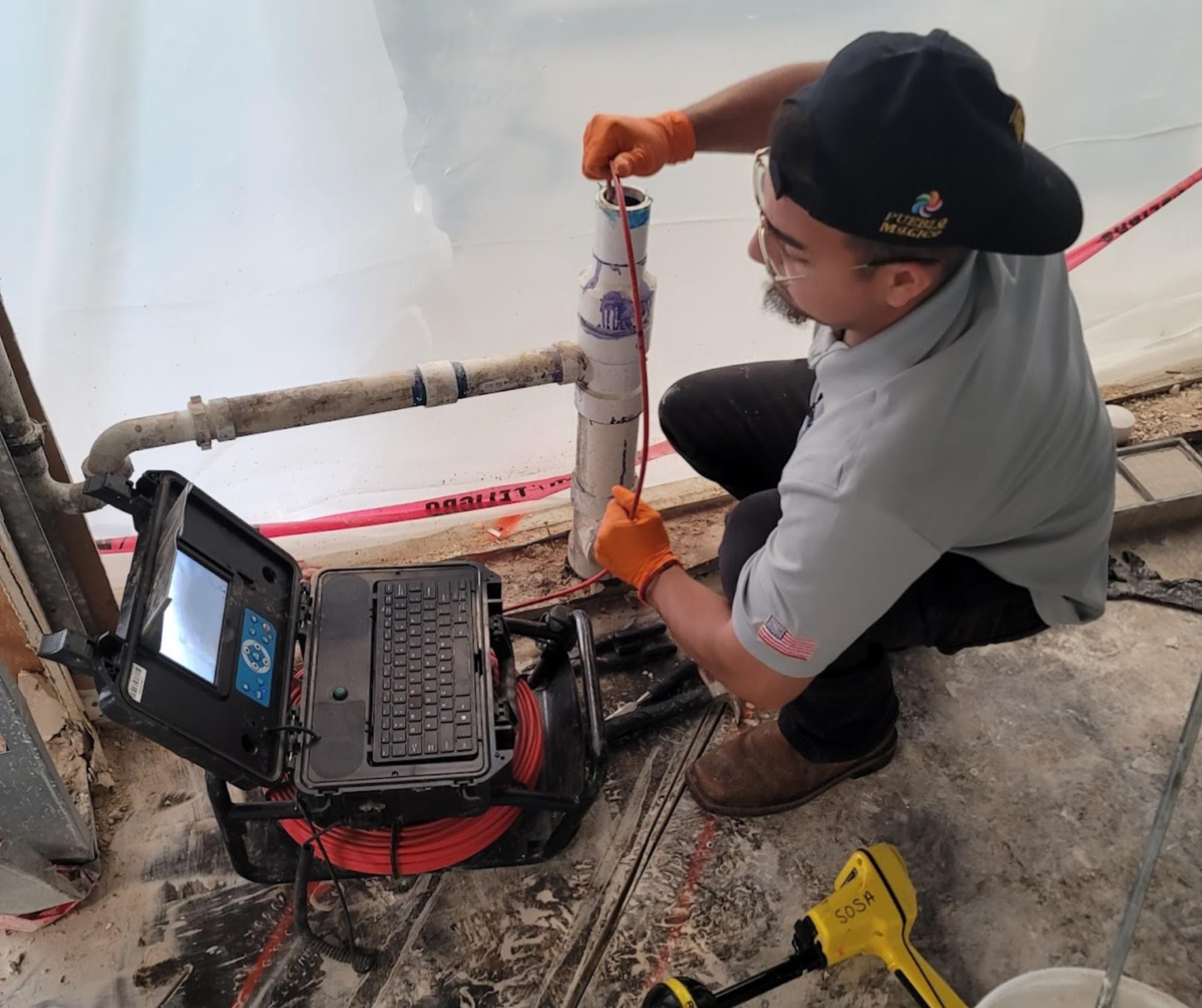
Not every home needs a camera each year. But if your house has trees near the sewer line, if you’ve had recurring slow drains, or if the home is over twenty years old with unknown drain history, a camera pays for itself. We run a flexible camera through the cleanout to inspect for intrusions, offsets, and bellies. In older cast iron, we look for scaling that narrows the pipe. In PVC, we watch for joints that shifted.
A video file becomes your asset. If you do need a repair, you’re not guessing where to dig. You can compare year over year and see if a hairline crack is stable or worsening. It turns a vague fear into a plan.
Tank versus tankless, and what inspection means for each
Tankless units work well in Georgetown when sized and installed correctly. They still need maintenance. Hard water builds scale on the heat exchanger. Annual descaling keeps efficiency up and prevents error codes that always seem to appear on the first cold morning. We isolate the unit, run a pump with descaling solution for 45 to 60 minutes, then flush and test. We also verify gas pressure and venting.
For tank units, flushing is the main event. We isolate, attach a hose, open the drain, and pulse with fresh water to stir sediment. The first few gallons often look like milky tea. When it turns clear, we test the pressure relief valve and check for leaks at the nipples and unions. If the tank is over ten years old and in a closet without a pan or drain, we talk about risk and timing. No pressure, just facts and options.
Water quality options without the sales pitch
Some homes benefit from softening or filtration. You don’t need a sales seminar to understand the options. If you hate spots on glass, want smoother shower feel, and want your fixtures to last longer, a softener helps. If you’re concerned about taste, odor, or specific contaminants, a point-of-use filter at the kitchen sink or a whole-home carbon filter may be appropriate.
We test hardness and chlorine levels during the inspection if you’re curious. Then we talk about trade-offs. A softener needs salt and periodic service. A reverse osmosis system wastes some water during purification. A carbon filter changes flow rates. The right choice depends on your preference and budget, not trends.
Protecting your slab and yard from water waste
Irrigation leaks hide in plain sight. A one-gallon-per-minute leak in an irrigation lateral line uses 1,440 gallons per day. If the zone runs at night, you might not notice for weeks. We test the backflow and then walk the yard during a zone cycle, listening for hissing and watching for pooling. If your system is tied to the house supply, we explain how to isolate it so you can troubleshoot without losing water to the rest of the home.
Foundation watering is the other piece. During dry spells, consistent moisture around the slab reduces movement. It’s not a plumbing device, but it has plumbing consequences. We share practical watering schedules when requested and make sure hose bibbs and timer connections are secure.
What happens if we find something
Findings range from easy to urgent. A stiff angle stop can be swapped in minutes. A fatigued supply line gets replaced. A running toilet gets a new flapper or fill valve. We carry common parts for quick, affordable fixes during the inspection.
Bigger items, like a failing PRV or a water heater near end of life, become a conversation. We explain the condition, show readings or photos, lay out options, and estimate costs. You decide timing. If budget is a concern, we prioritize by risk. Affordable sosa plumber Georgetown service means matching the solution to the situation instead of upselling.
If we discover an active leak, we move fast. We isolate, mitigate, and if needed, shift into repair mode with your permission. You’re not left waiting for “the repair team” to arrive. Plumbing company Georgetown sosa services keeps tools and parts on the vans that handle most repairs same day.
The emergency safety net
Annual care doesn’t eliminate surprises, but it makes them rare. When a surprise happens, the file from your inspection makes emergency response faster. Our on-call tech can see your fixture models, water heater type, PRV location, and past pressure readings. That trims time and guesswork at 2 a.m.
Emergency rates are higher because staff come in off-hours and suppliers are closed. Still, having Georgetown Sosa Plumbing Services on speed dial saves the scramble of hunting “Sosa Plumbing near me” at midnight. And when we’ve been in your home before, we know the lay of the land, from the attic access to the cleanout location by the driveway.
Budgeting the annual visit
Most homeowners ask what to expect cost-wise. Prices vary by home size and scope, but an annual inspection typically runs less than a single after-hours service call. If we pair the inspection with a water heater flush and minor tune-ups, you’re still well below the cost of a mid-tier fixture replacement you didn’t plan for. Sosa Plumbing Services offers straightforward pricing. If you want to lock into the same month each year, we set a reminder. If you prefer to align it with other home chores, like HVAC service, we schedule accordingly.
It’s tempting to skip a year when nothing seems wrong. That’s exactly when small issues gain momentum. A loose packing nut becomes a seep. A seep becomes a drip. A drip becomes drywall repair and a call to your insurance agent.
How to prepare your home for the visit
A little preparation makes the inspection smoother and more thorough.
- Clear space around the water heater, under the main sinks, and at the washing machine connections.
- If you have special concerns, make a quick list and hand it to the technician at the door.
- Know where your main water shutoff is, or ask us to label it during the visit.
- If you have pets, secure them so doors can be opened and closed without worry.
- If your irrigation controller has a code or app, have it ready so we can test zones quickly.
That five-minute prep can shave twenty minutes off the visit and ensures we see everything we need to see.
A few real stories from Georgetown homes
A retiree off Shell Road called for a “mystery smell” in a guest bath. The traps were full, drains looked fine, and the wax ring on the toilet had no visible leak. Our dye test in the tank showed a slow trickle, and the HVAC return nearby was pulling that moist air into the hallway. A new flapper and minor caulk touch-up solved what felt like a big problem. An annual inspection would have caught that flapper earlier.
A busy family near the Square had a five-year-old tankless that started throwing ignition errors every few weeks. They’d been resetting it until one cold snap when the unit refused to cooperate. Descaling revealed heavy scale that should have been addressed annually. After service, we measured steady performance and set them on a schedule. No parts replaced, no cold showers.
A homeowner in Sun City noticed higher water bills but no visible leaks. Pressure at the bib was 92 psi, high for comfort. We found a stuck PRV and replaced it. Bills normalized, and we likely extended the life of every faucet in the house. The annual check the following year showed stable pressure in the mid 60s.
Choosing the right partner for the long haul
Plumbing is a trust business. You let someone into your home, rely on their judgment, and live with the results. The best sosa plumbing services Georgetown tx claims don’t come from ads, they come from consistency. Look for a team that shows up on time, explains readings, and leaves you with notes you can understand. Ask what instruments they use for pressure and temperature. Ask whether they flush water heaters and check anode rods. Ask if they’ll label your main shutoff and isolation valves. That’s the difference between a quick look and a real inspection.

Local sosa plumbing in Georgetown means crews who know the neighborhoods, the typical infrastructure, and the supply houses that stock what your fixtures need. Trusted sosa plumbing company isn’t a slogan. It’s earned when your kitchen stays dry, your showers run the temperature you set, and your bills stay stable.
When to schedule, and how often
Once a year is the baseline, ideally at the same time each year so readings compare apples to apples. Late winter or early spring works well in Georgetown. You’re past the risk of hard freezes, and you can prep irrigation before heat returns. If you’ve just bought a home, make the first inspection part of your move-in plan. If you’ve just finished a remodel, schedule after the dust settles to catch any rough spots in the new work.
Some homes benefit from a six-month check. If you have a large household with heavy water use, a tankless system, or an older home with mixed piping, a mid-year mini-check for pressure, leaks, and quick flushes can be worthwhile. Plumber in Georgetown sosa services can advise based on what we see in your specific system.
The simple promise
An annual plumbing inspection is not glamorous. There’s no before-and-after photo to share. But it’s the reason your holidays aren’t interrupted by an overflowing guest bath. It’s why your water heater reaches ten or twelve years instead of failing at eight. It’s how you avoid the 3 a.m. faucet spray that soaks the cabinet and the subfloor.
If you’re searching for Georgetown Sosa Plumbing Services because you want a reliable partner, you’re in the right place. We bring calibrated gauges, practiced eyes, and a habit of explaining what we see. We fix the small things on the spot, plan the big things with you, and keep a record that makes every future visit faster and smarter.
Schedule once, then forget about it until next year. That quiet confidence is the real product. The wrenches and fittings are just how we deliver it.